
From the witch hunts of early modern Europe to the mysterious enchantresses of Gothic literature, the history of a figure both feared and admired…
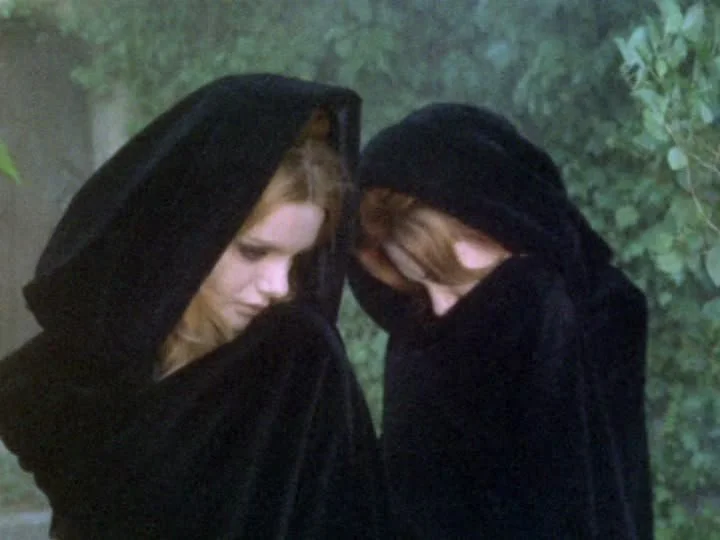
Few figures have haunted the human imagination quite like the witch.
Dressed in black, surrounded by mysterious symbols and often accompanied by a black cat, she has become one of the most recognisable figures of the supernatural. Yet behind this familiar image lies a much darker history, shaped by centuries of superstition, religious fear, persecution and artistic fascination.
Once believed to possess dangerous powers and condemned as a threat to society, the witch has gradually transformed into a symbol of mystery, independence and unconventional beauty.
But how did a figure once so deeply feared become an object of fascination?
I. The Origins of Witchcraft: Between Magic and Belief
Long before the European witch hunts, beliefs in magic and supernatural powers existed across ancient civilisations.
In ancient Greece and Rome, figures such as Circe and Medea embodied the ambiguous relationship between feminine power, knowledge and magic. They were enchantresses capable of manipulating nature, transforming human beings and challenging the limits of ordinary existence.
Yet these mythological figures were not identical to the witches later persecuted in Christian Europe.
During the Middle Ages, European folklore was populated by supernatural beings, magical practitioners and individuals believed capable of influencing the world through invisible forces. Some people offered healing remedies, charms or divination, while others were suspected of causing illness, misfortune or death through harmful magic.
The boundary between admired knowledge and feared supernatural power could be remarkably fragile.
Gradually, particularly towards the end of the medieval period, European religious authorities developed an increasingly threatening conception of witchcraft: the belief that certain individuals had entered into alliances with the Devil.
This idea would of course have devastating consequences.
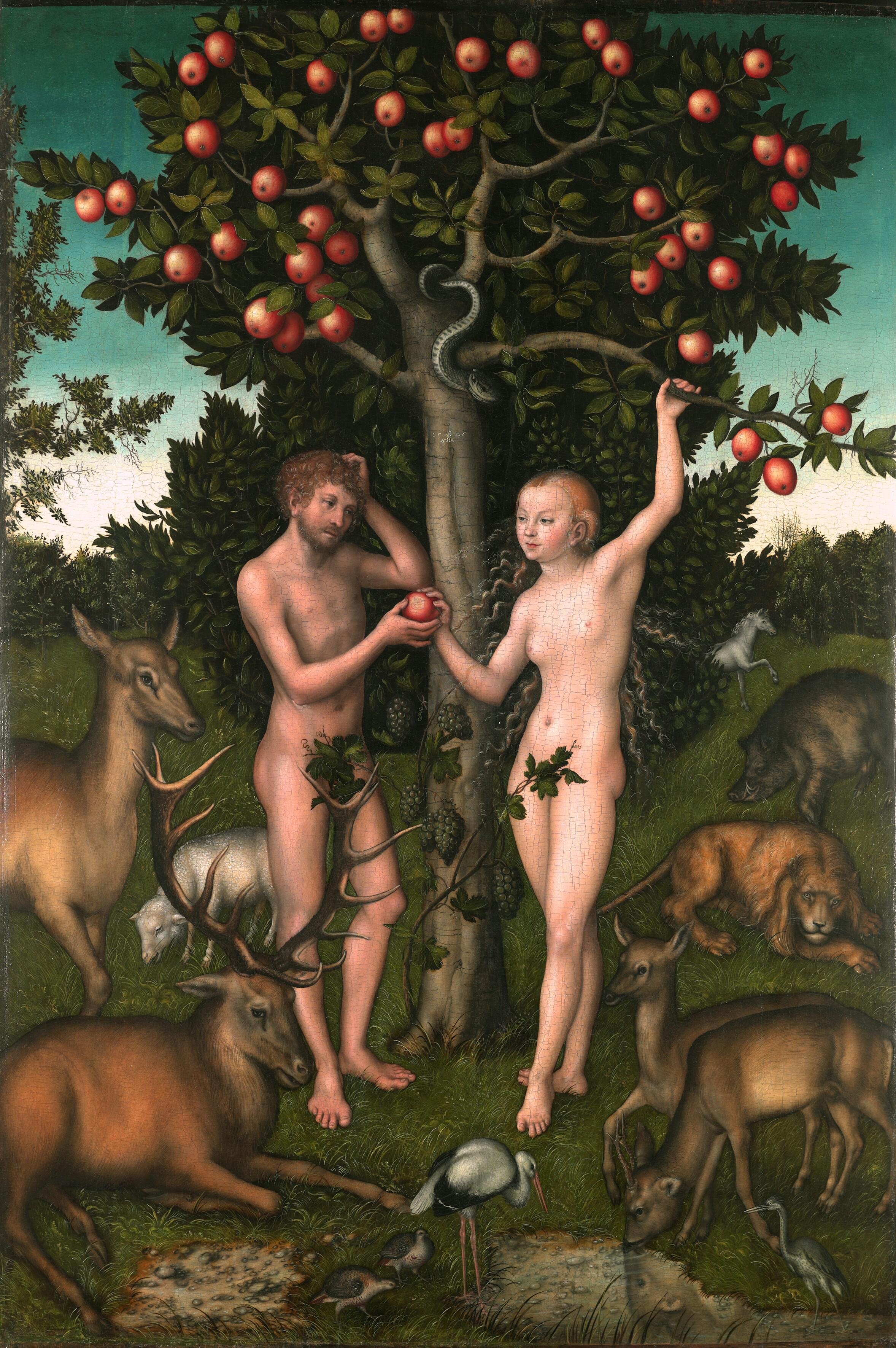
Adam and Eve, Lucas Cranach the Elder,16th century, Oil painting.
II. The Original Sin: When Woman Became Dangerous
Long before the witch became an object of fear, another woman had already been blamed for humanity's downfall: Eve.
In the biblical story of the Garden of Eden, Eve is tempted by the serpent into eating the forbidden fruit, before sharing it with Adam. Although both participate in the transgression, centuries of theological interpretation would often place particular responsibility upon Eve.
She became, in certain influential Christian traditions, the embodiment of female weakness, temptation and disobedience.
The idea that a woman could lead a man towards sin would become one of the most enduring motifs in Western religious and cultural history.
Female beauty was portrayed as a source of temptation, female sexuality as a danger, and female independence as a potential threat to the established order.
The woman was no longer simply capable of sin. In the most misogynistic interpretations, she became one of its principal instruments.
This suspicion was particularly explicit in the writings of some early Christian theologians. Tertullian, writing around the turn of the third century, famously described woman as the devil's gateway, reflecting an interpretation of Eve in which female disobedience opened the way to humanity's corruption.
Centuries later, similar ideas resurfaced in the literature of witchcraft persecution.
In the Malleus Maleficarum, published in the late fifteenth century, Heinrich Kramer portrayed women as more susceptible to the Devil's influence, supposedly because of their intellectual weakness, emotional instability and uncontrolled sexuality.
Within this worldview, the witch represented the ultimate expression of a dangerous femininity.
She was imagined as a woman who had abandoned obedience, morality and religious authority, surrendering herself instead to forbidden powers.
Her sexuality was suspect, her knowledge threatening & her independence could be interpreted as defiance.
And the accusation of witchcraft offered a terrifying means of transforming these suspicions into punishment. The association between femininity and evil undeniably shaped the language and imagery of persecution.
There is a striking continuity between these representations: Eve, the temptress who brings sin into the world; and the witch, accused of placing herself in the service of the Devil.
Different figures, different histories, yet united by a recurring fear of women who appear to possess power beyond the control of men.
The witch was not dangerous because she possessed power. She was portrayed as dangerous because society had learned to fear the possibility of female power.
And perhaps this is one of the most revealing aspects of her history: how easily a woman's difference, independence or refusal to conform could be transformed into evidence against her.
III. The Witch Hunts: A History of Fear
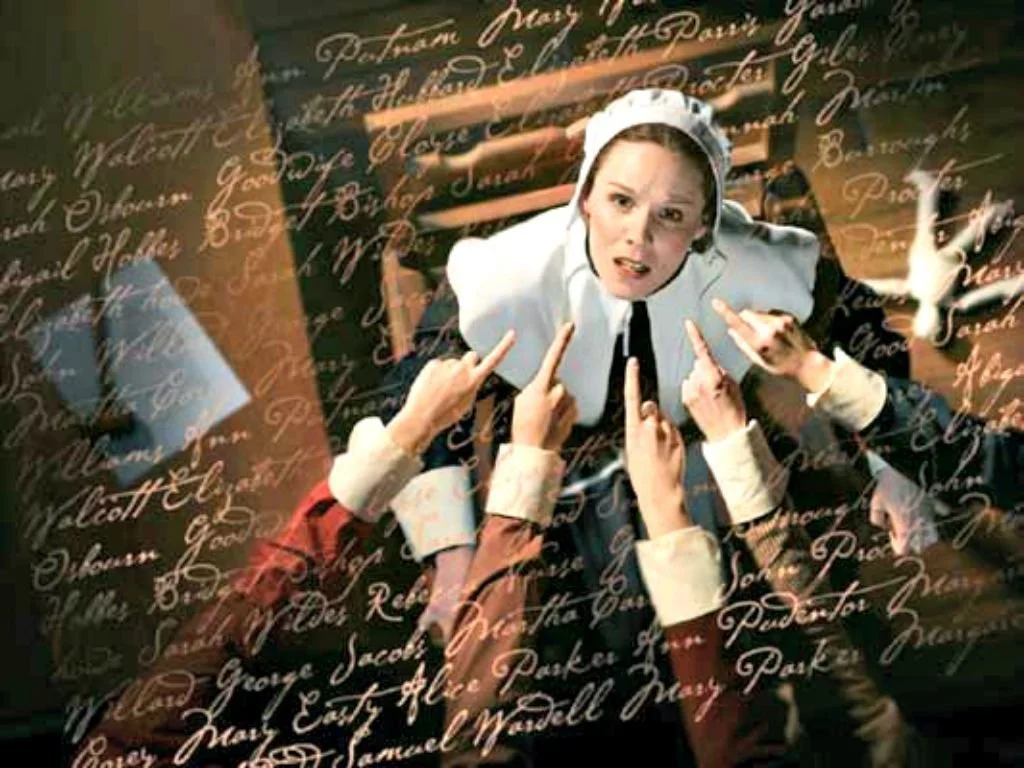
Between the fifteenth and eighteenth centuries, Europe witnessed waves of witchcraft persecution.
Tens of thousands of people were executed following accusations of practising witchcraft. Although men were also persecuted, women represented the majority of those accused and condemned in many regions.
The accusations were often rooted in fear, religious tensions, personal conflicts and the desire to explain otherwise incomprehensible misfortunes : a failed harvest, an unexplained illness or the sudden death of a child could provoke suspicion…
Women who were elderly, impoverished, socially isolated or involved in local disputes could be particularly vulnerable, although accusations reached people from many different backgrounds.
In 1486–1487, the publication of the Malleus Maleficarum, commonly known as The Hammer of Witches, helped spread a deeply misogynistic vision of witchcraft. The text portrayed women as especially susceptible to demonic influence and provided arguments for identifying and prosecuting supposed witches…
The witch was no longer simply a mysterious character of folklore. She had become an enemy to be hunted.
Yet the tragedy of the witch trials lies precisely in the distance between imagination and reality.
The women and men persecuted for witchcraft were real people, while the supernatural crimes attributed to them were products of belief, fear and accusation.
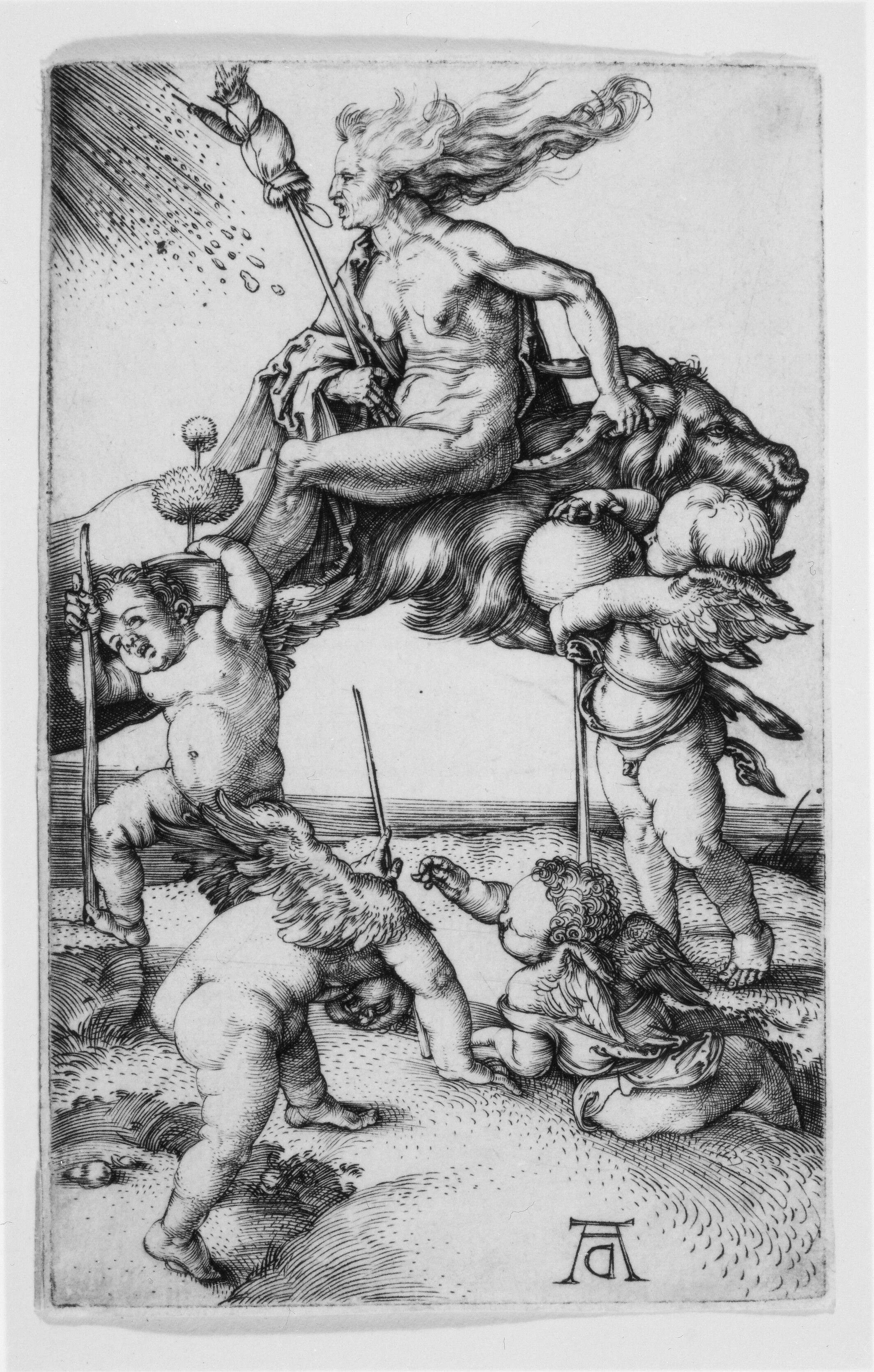
The Witch, Albrecht Dürer, c. 1500 · Engraving
IV. The Making of a Witch
How did the witch acquire the appearance we recognise today?
Her pointed hat, broomstick, black clothing and sinister companions seem inseparable from her identity. Yet this familiar silhouette is the result of centuries of artistic and cultural invention.
One of the earliest surviving depictions of witches flying on broomsticks appears in an illuminated manuscript of Le Champion des Dames, written by the French poet Martin Le Franc, dated to 1451.
The broomstick, an ordinary domestic object, was transformed into an instrument of supernatural flight.
During the Renaissance, artists such as Albrecht Dürer began depicting witches as unsettling figures associated with disorder, forbidden rituals and the inversion of traditional social conventions.
Over time, the pointed hat, dark robes and black cat became increasingly recognisable attributes, although their precise origins remain debated.
The witch's appearance also revealed a striking contradiction.
She could be represented as an elderly, grotesque woman, her body reflecting society's fears of ageing and ugliness. But she could equally appear as a beautiful enchantress, seductive, mysterious and dangerously powerful.
These opposing representations would become central to her enduring fascination: the witch was simultaneously feared and desired.
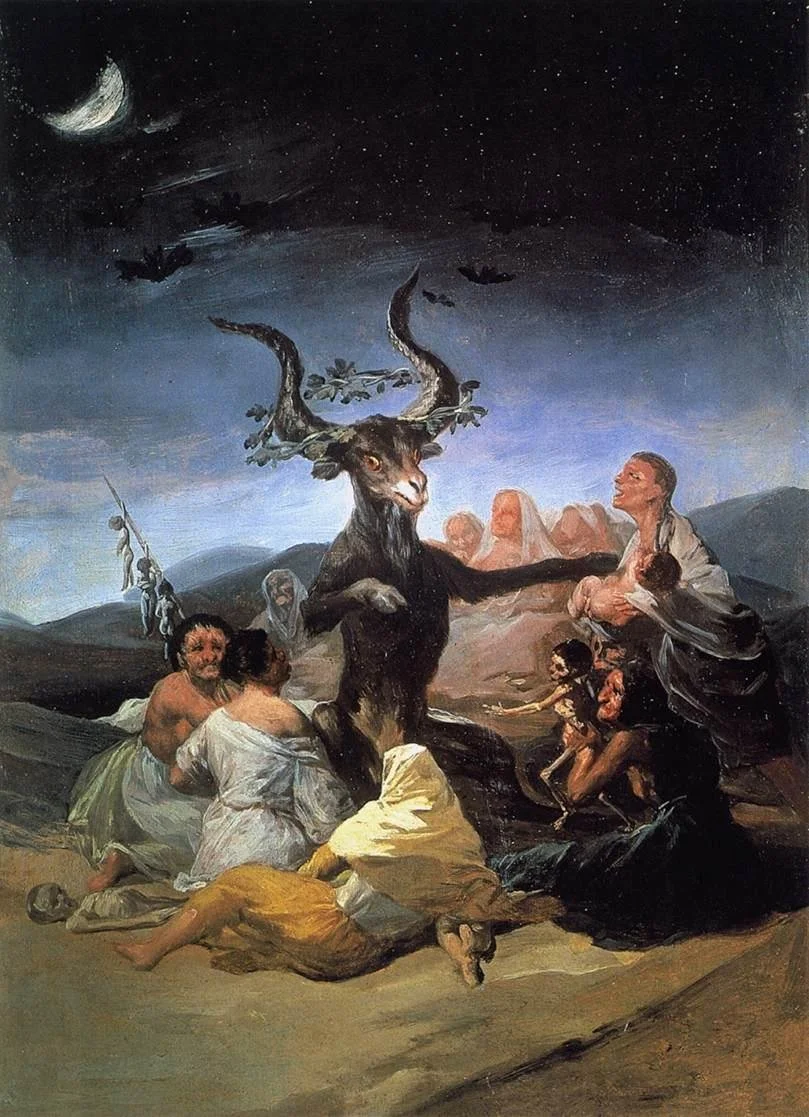
Witches' Sabbath, Francisco Goya, 1798 · Oil painting
V. The Witch in Art and Literature
By the eighteenth and nineteenth centuries, the witch had become an increasingly compelling subject for artists and writers.
Francisco Goya explored the disturbing world of superstition and irrational fear through his representations of witches and nocturnal gatherings.
In Romantic and Gothic literature, supernatural figures became a means of exploring humanity's fascination with death, desire, forbidden knowledge and the unknown.
The witch escaped the boundaries of religious persecution to inhabit a world of imagination.
In 1886, the British painter John William Waterhouse presented a strikingly different vision in The Magic Circle.
The painting depicts a solitary woman performing a mysterious ritual, surrounded by a landscape charged with symbolic meaning.
She is neither a grotesque monster nor a helpless victim, she appears self-possessed, mysterious and entirely absorbed in her own world.
The witch had become something more than an object of fear, she had become a muse.
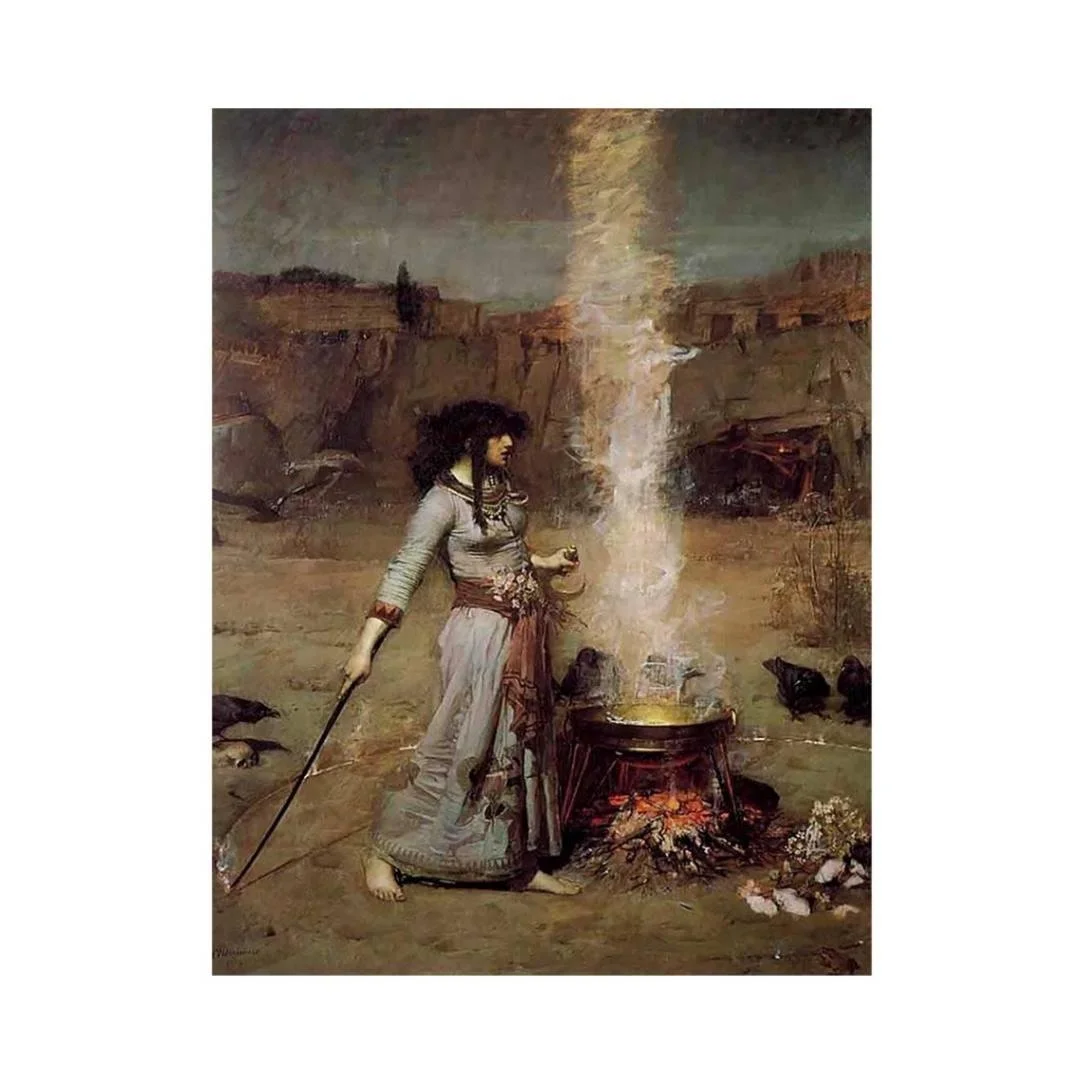
The Magic Circle, John William Waterhouse, 1886, Oil painting
VI. The Good Witch and the Bad Witch: Two Faces of Female Power
As the witch entered popular culture, her image became increasingly divided between two opposing archetypes: the Good Witch and the Bad Witch.
Few films illustrate this contrast as clearly as The Wizard of Oz (1939).
On one side stands Glinda, the Good Witch, dressed in a magnificent pink gown, crowned and carrying a delicate wand. Beautiful, benevolent and reassuring, she embodies a magical power that exists to protect and guide others.
Opposite her stands the Wicked Witch of the West, dressed entirely in black, with green skin, a pointed hat and a terrifying presence. Her magic is associated with anger, revenge and destruction.
The visual contrast could hardly be more explicit. One is beautiful and celebrated; the other, grotesque and feared.
Beyond their roles in the story, these two figures invite a broader reflection on the representation of female power.
The Good Witch is admired because her magic is benevolent, while the Bad Witch is condemned for using hers to threaten others. Yet their opposing appearances also reinforce a familiar association between feminine beauty and goodness, ugliness and evil.
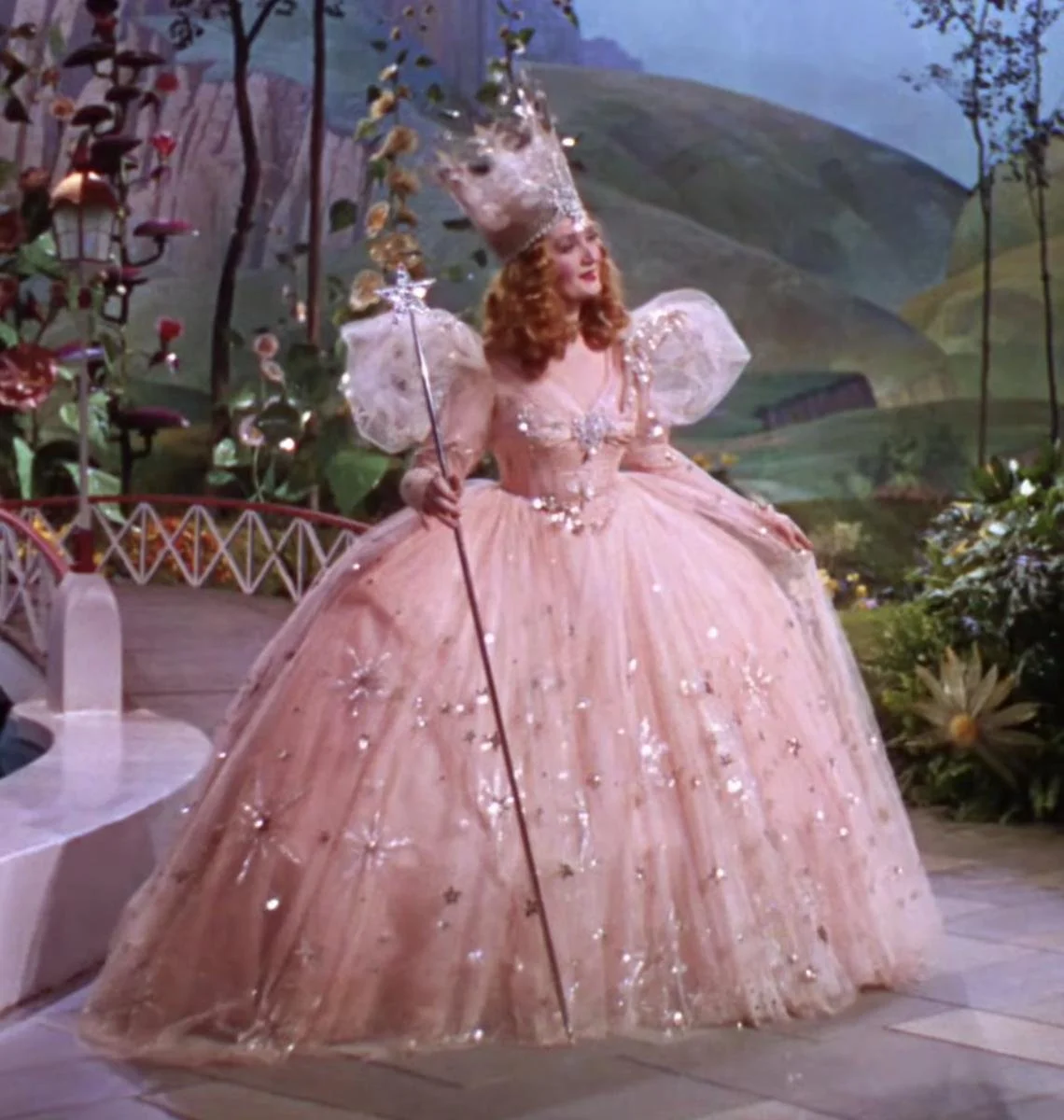
Glinda, the Good Witch, Billie Burke, The Wizard of Oz, 1939.

The Wicked Witch of the West, Margaret Hamilton, The Wizard of Oz, 1939.
The Witch Becomes a Housewife
In 1964, American television introduced a rather different witch: Samantha Stephens, played by Elizabeth Montgomery in Bewitched.
Beautiful, charming and apparently ordinary, Samantha is a powerful witch who marries a mortal man and attempts to live as a conventional American housewife.
Her husband, Darrin, regularly insists that she refrain from using her magical abilities, preferring that she behave like an ordinary suburban wife.
The premise is both comedic and revealing…
Here is a woman capable of extraordinary things, yet she is expected to suppress her powers in order to maintain the appearance of a conventional marriage.
Samantha's mother, Endora, provides a striking contrast. Extravagant, independent and openly disdainful of her daughter's domestic compromises, she refuses to conceal her supernatural identity.
Seen through a feminist lens, their relationship reflects a tension between conformity and independence, between the desire to belong and the refusal to diminish oneself.
The witch was no longer necessarily evil. She could be loving, beautiful and perfectly respectable.
But was she truly free to be powerful? Mmmmhhh…
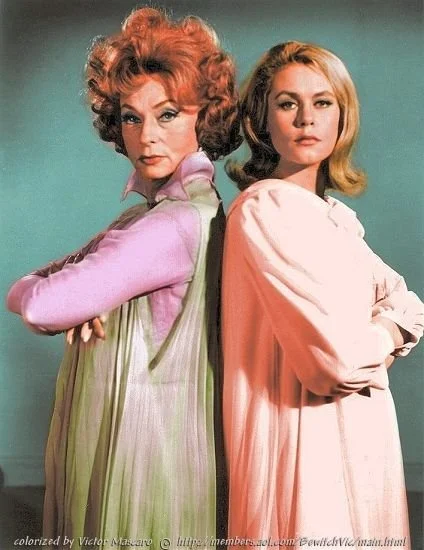
Bewitched, 1964. Samantha and her mother Endora.
Beyond Good and Evil
Over time, popular culture began to question these familiar divisions.
The witch could no longer be reduced to a choice between the beautiful, obedient enchantress and the frightening, rebellious villain. Good for us!
VII. From Monster to Muse
As discussed, the twentieth century gave the witch a new stage: cinema.
From the terrifying Wicked Witch of the West in The Wizard of Oz (1939) to the unsettling atmosphere of Suspiria (1977), filmmakers continuously reinvented her image.
She could be grotesque or glamorous, terrifying or seductive, an outsider or a heroine.
In The Craft (1996), witchcraft became intertwined with teenage rebellion, female friendship and the desire for power. More recently, Robert Eggers' The Witch (2015) returned to the religious anxieties and oppressive atmosphere of early modern New England.
Across these interpretations, the witch has remained a figure of transformation.
Once constructed as a symbol of danger, she has increasingly been reimagined as an expression of independence and resistance to social expectations.
Her darkness, once a source of condemnation, has become part of her allure.
VIII. The Witch as a Symbol of Sisterhood
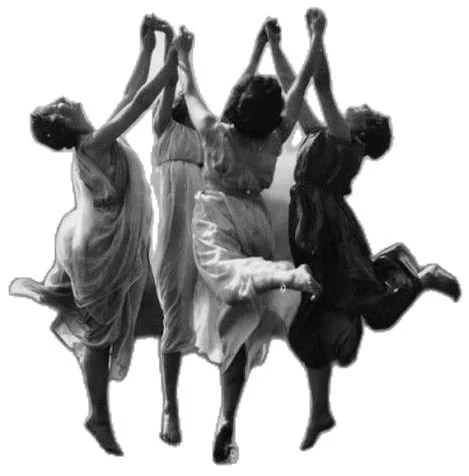
Beyond her association with rebellion and independence, the witch has also become a powerful symbol of female solidarity and sisterhood.
The image of the coven, a gathering of witches united by shared knowledge and rituals, has been reimagined as a space of collective strength, where women find power in one another rather than in isolation.
Once used to evoke secrecy, danger and conspiracy, the gathering of women has become, in contemporary feminist interpretations, a symbol of solidarity, mutual protection and resistance.
Perhaps the witch's greatest power lies not in her magic, but in the strength of women standing together.
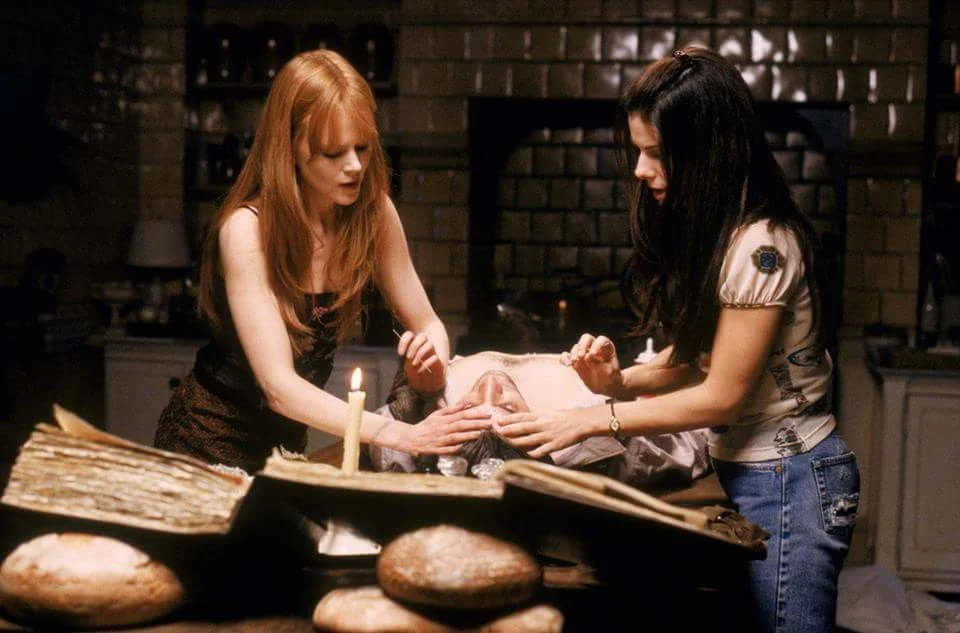
Practical Magic, 1998.
IX. The Witch and the Power of Dressing
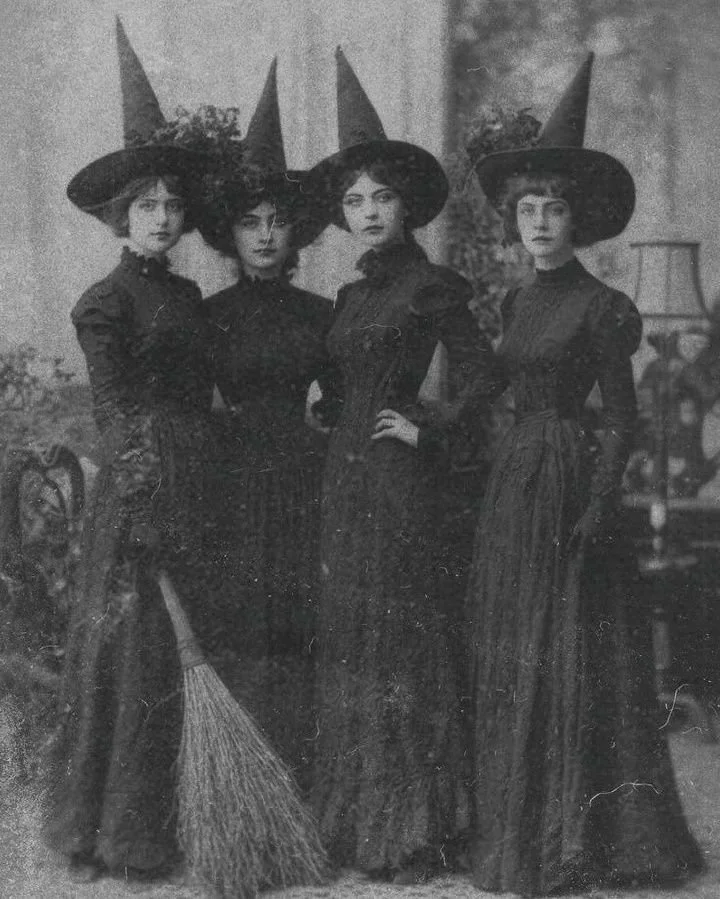
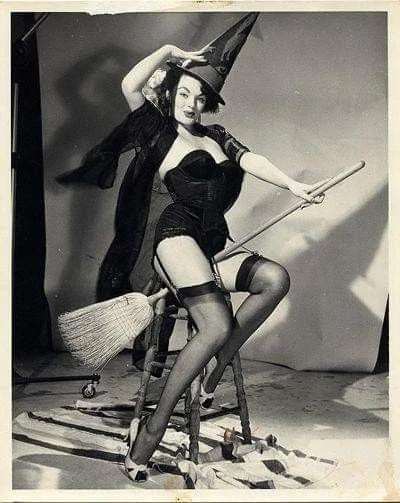
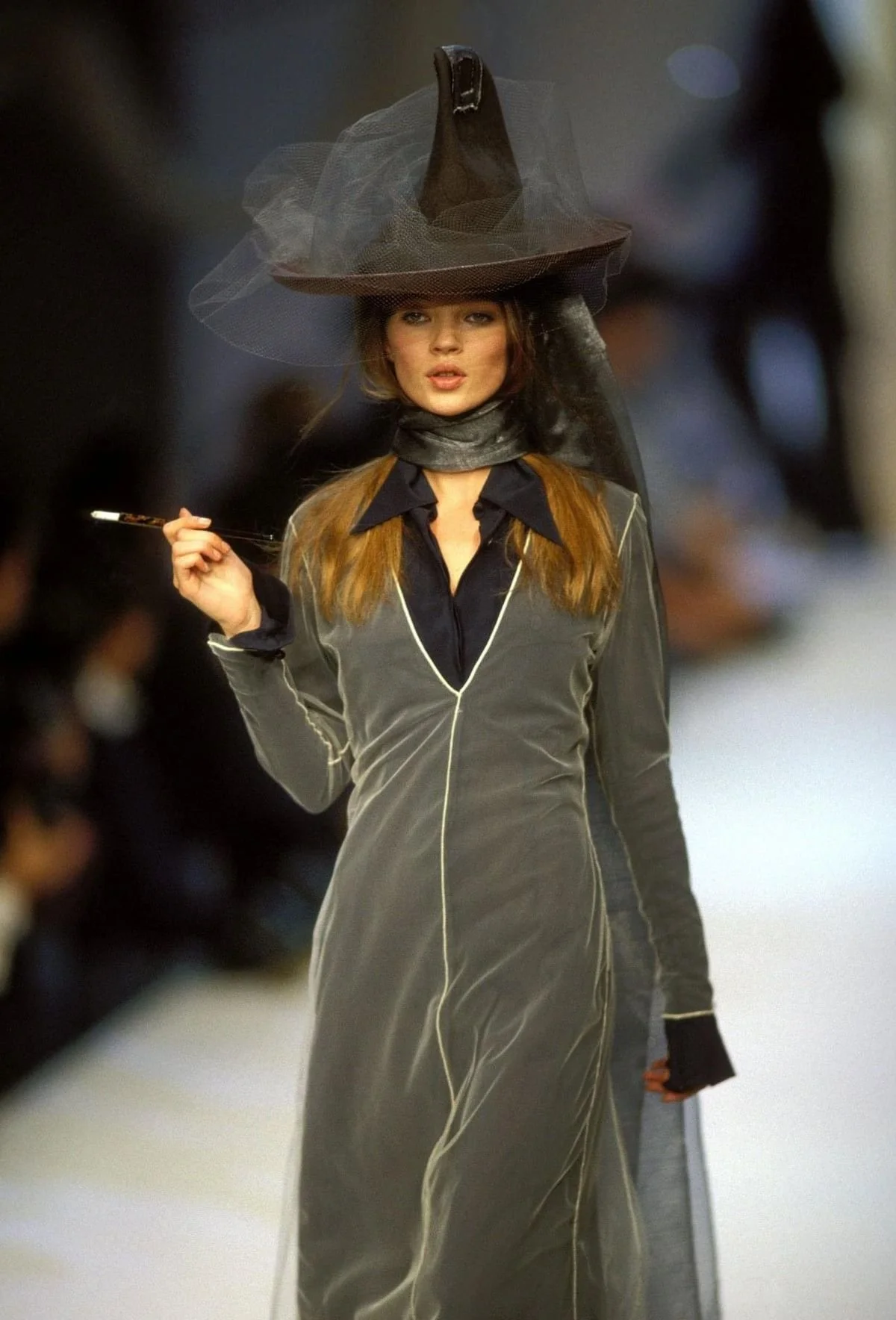
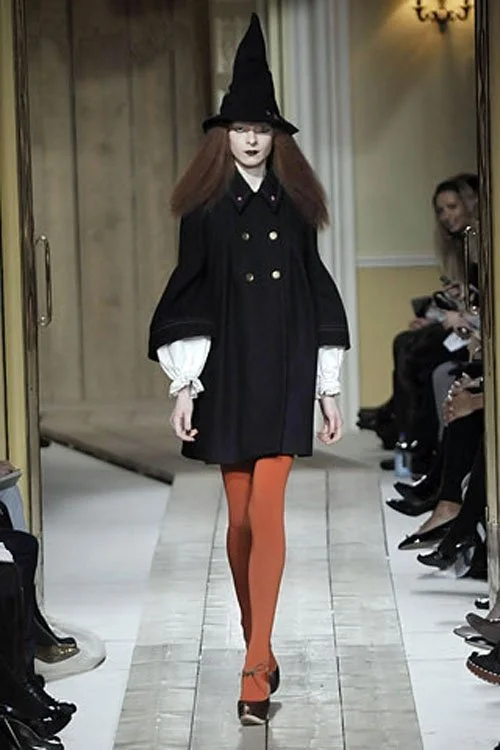
Perhaps one of the most fascinating aspects of the witch is how profoundly her identity has been shaped by clothing.
Her silhouette is instantly recognisable: dark fabrics, long flowing garments, dramatic proportions and an appearance that seems to exist outside ordinary fashion.
Unlike the clothing worn by those historically accused of witchcraft, which generally reflected the everyday dress of their communities, the costume of the imaginary witch was constructed through centuries of visual representation.
Clothing became essential to the creation of her character.
Black, in particular, plays a central role in this aesthetic. Associated with mystery, mourning, authority and the supernatural, it gives the witch an almost theatrical presence.
Like the masked figures of historical masquerades, the witch exists between reality and performance.
She demonstrates how an appearance can communicate power, provoke unease and transform the way an individual is perceived.
In this sense, the witch has become an unexpected fashion icon: a figure whose identity is inseparable from her silhouette.
X. The Enduring Fascination
Today, the witch continues to inhabit literature, cinema, fashion and popular culture.
Her story is one of remarkable transformation.
From a figure constructed through accusations and fear to a character celebrated for her mystery and independence, she reflects the changing relationship between society and the unknown.
After all, isn't there a little witch in every woman?
-Marie <3
References & Bibliography
1. English Heritage, Eight Witchcraft Myths and Misconceptions.
2. University of Warwick, Where There Are Many Women There Are Many Witches.
3. Hans Peter Broedel, Witchcraft as an Expression of Female Sexuality.
5. History, Why Do Witches Wear Pointy Hats?
6. Gender & History, Work, Gender and Witchcraft in Early Modern England.