
Red, a Dangerous Colour
Red has never been an innocent colour.
Long before it became the colour of lipstick, evening dresses and red carpets, red belonged to blood, fire, power and the sacred. It has dressed emperors and cardinals, prostitutes and revolutionaries, brides and murderers. Few colours have carried so many contradictory meanings - and perhaps none has been watched so closely.
To wear red has rarely meant simply choosing a colour. Throughout history, it has meant being seen.
The Colour of Blood
There is an obvious reason red carries such emotional force: it is the colour we encounter inside our own bodies.
Blood makes red simultaneously a colour of life and of death. It can signify birth, vitality and desire, but also violence, sacrifice and mortality. This contradiction has followed the colour through centuries of religious imagery, literature, dress and art.
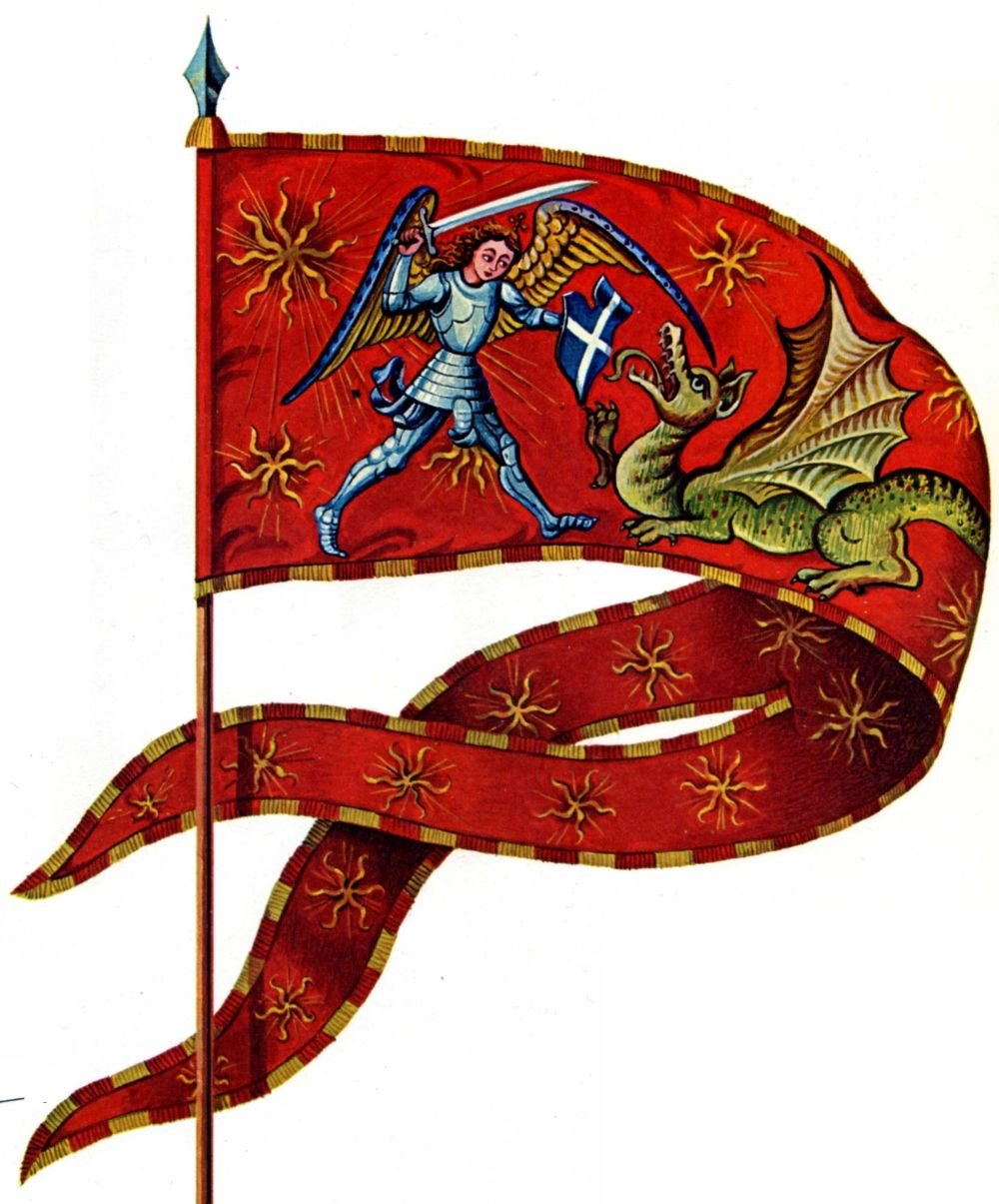
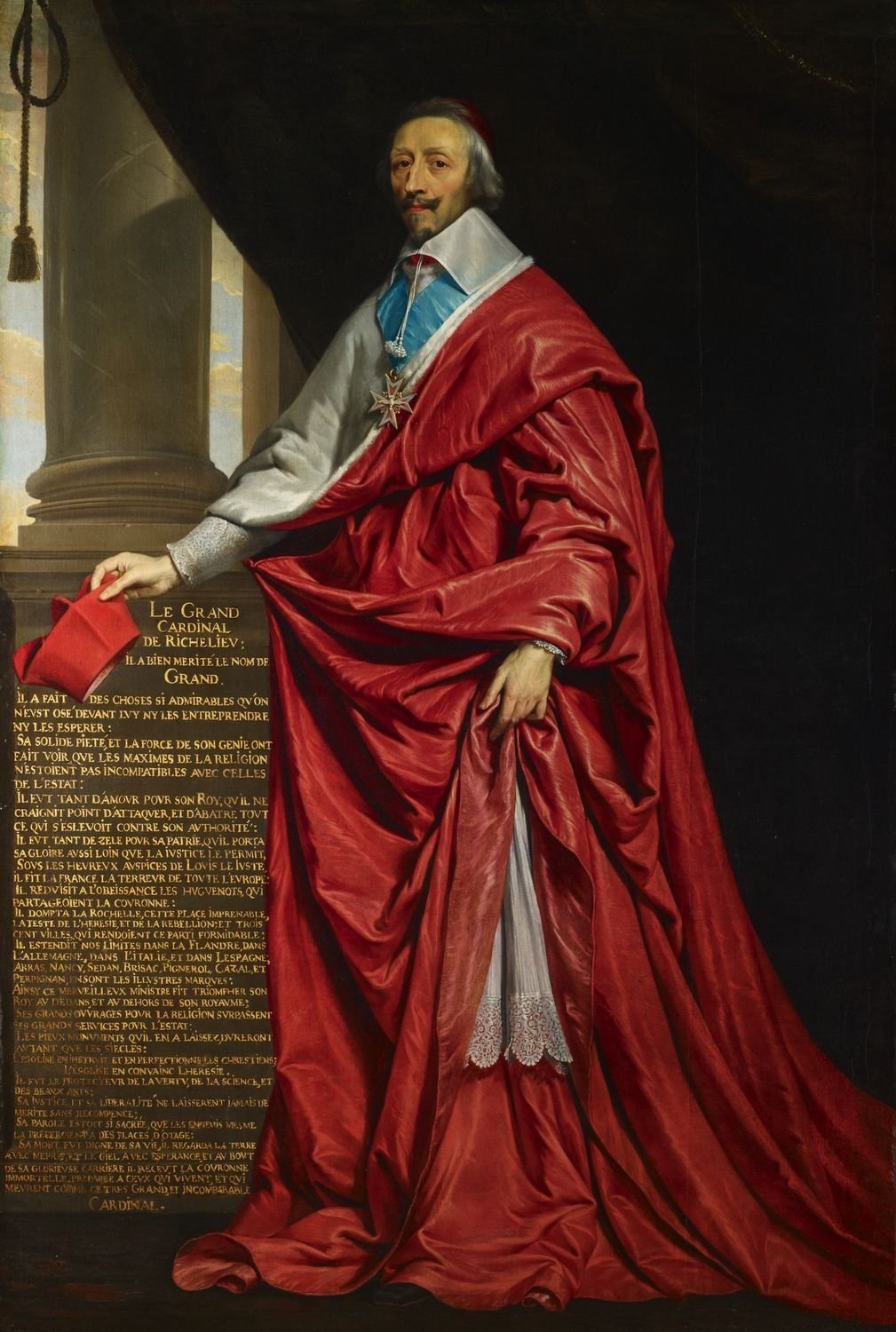
In Christian iconography, red acquired particularly complex meanings. It could represent the blood of Christ and the sacrifice of martyrs, making it a sacred colour. Yet the same colour could evoke temptation, sin and the fires of Hell.
Red could therefore belong to both the saint and the sinner.
Perhaps this ambiguity explains part of its enduring fascination. Red refuses to behave morally. Its meaning depends entirely on who wears it - and why.
A Colour Worth a Fortune
For much of history, a truly brilliant red was difficult and expensive to produce.
Some of the most desirable red dyes came from tiny insects. Kermes, harvested from scale insects found around the Mediterranean, produced rich scarlet tones prized in Europe for centuries. Following the Spanish conquest of the Americas, cochineal, derived from insects cultivated particularly in Mexico, transformed the European dye trade with an even more intense crimson.
Producing beautiful red cloth required money, knowledge and access to international trade.
Unsurprisingly, red became associated with status.
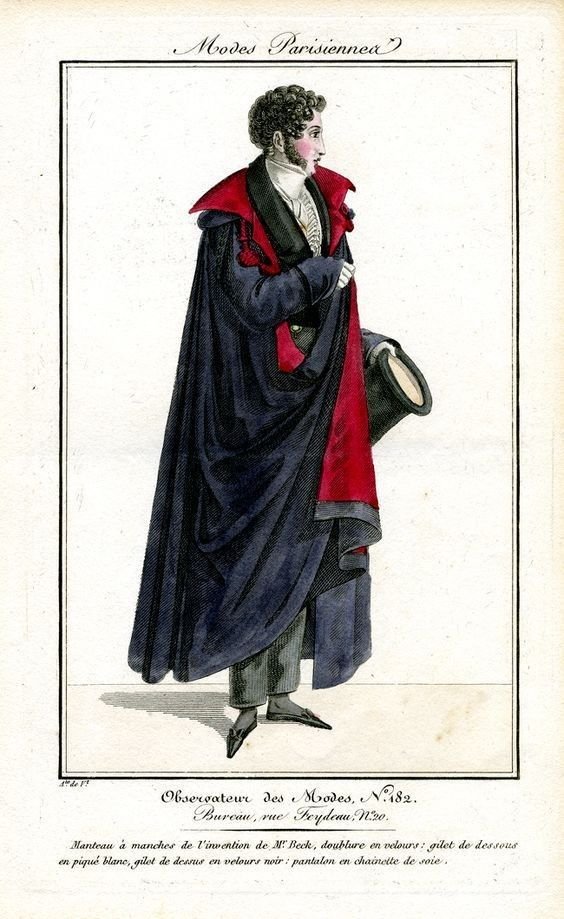
Kings, aristocrats and wealthy elites appeared in magnificent scarlet and crimson garments, while sumptuary laws in parts of Europe attempted to regulate who was entitled to wear certain luxurious fabrics and colours.
A person entering a room dressed in expensive crimson could announce wealth and rank before saying a word.
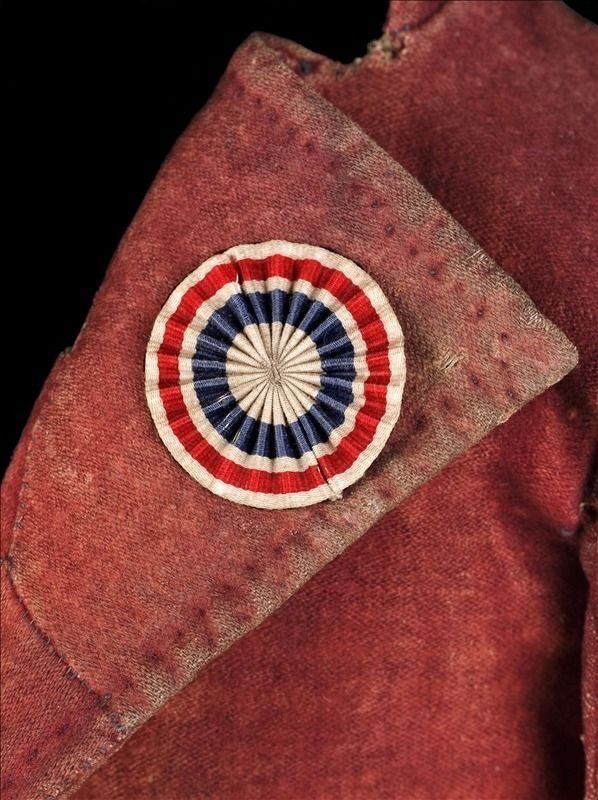
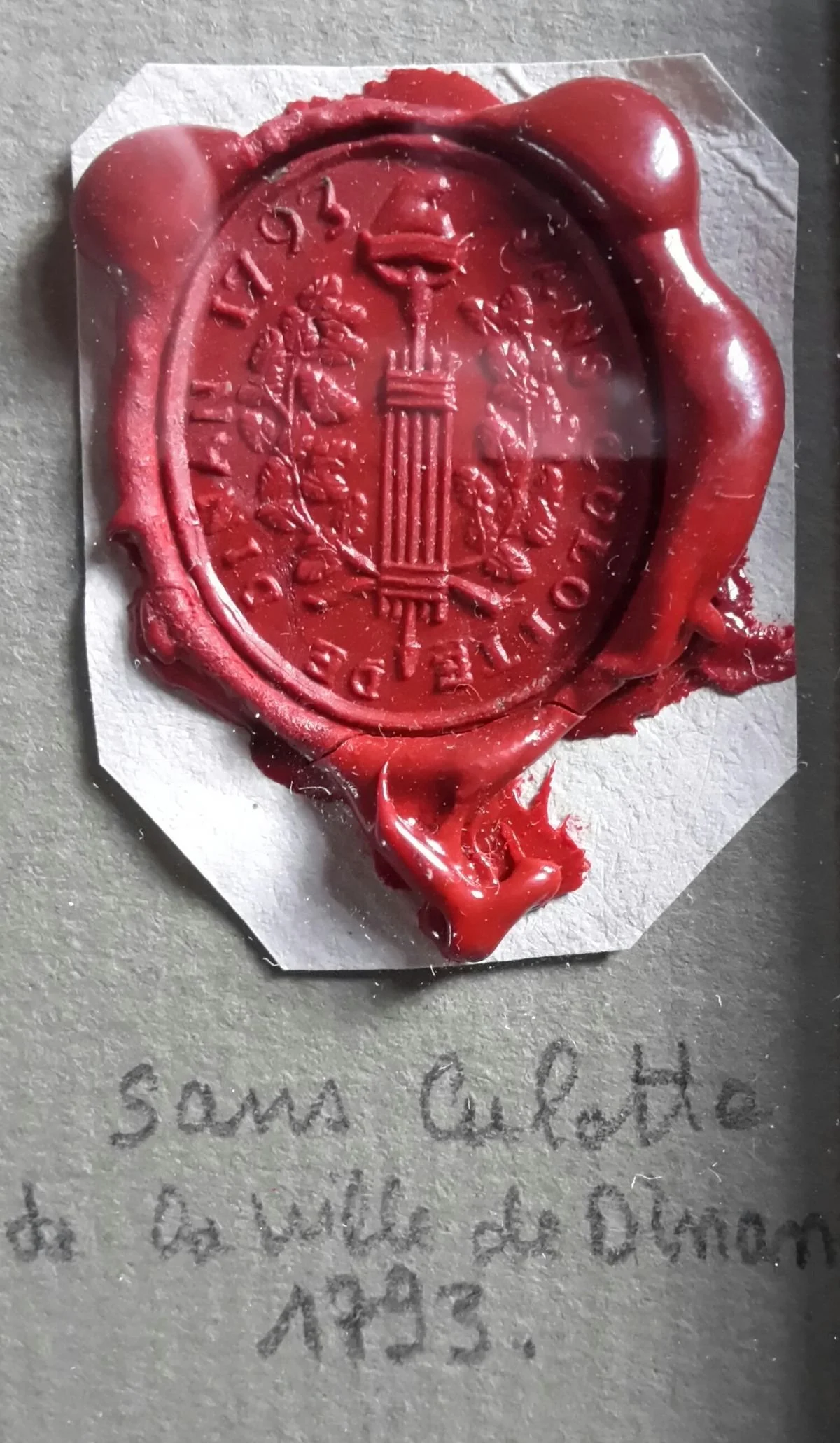
The same colour associated with monarchy and religious authority would eventually become a colour of political rebellion. Red flags appeared in revolutionary movements and later became inseparable from socialism and communism.
It is an extraordinary transformation: the colour of rulers became the colour of those attempting to overthrow them.
Yet the underlying message remained remarkably similar.
Red means power — the argument is simply over who possesses it.

The Colour of Sin
If red belonged to power, Christianity and European moral culture also helped connect it to transgression.
The biblical figure of the Whore of Babylon, described in Revelation as dressed in purple and scarlet, contributed to an enduring association between red, sexual excess and moral danger.
Over time, these associations escaped religious imagery and entered popular culture.
The woman in red became a type : she was noticeable, sexual and potentially dangerous.
This symbolism survives in expressions such as the “scarlet woman” and the “red-light district”. Even when the original religious context has disappeared, the suggestion remains: red marks a sexuality that refuses discretion.
It is worth noticing how gendered this symbolism became. On a king, red could signify authority. On a cardinal, sacred office…
Painting Desire
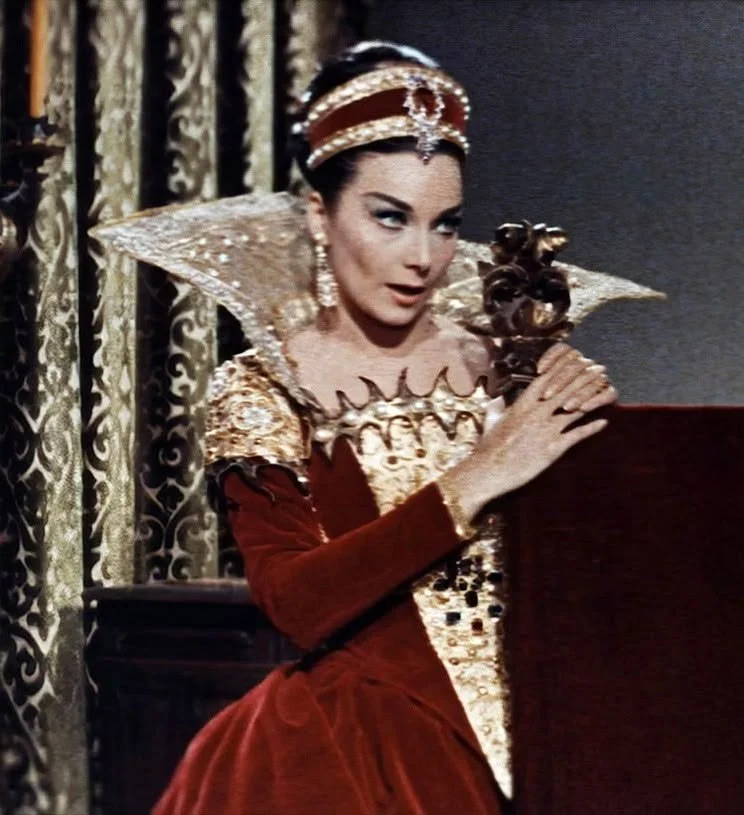
Artists understood the visual power of red long before modern advertising did.
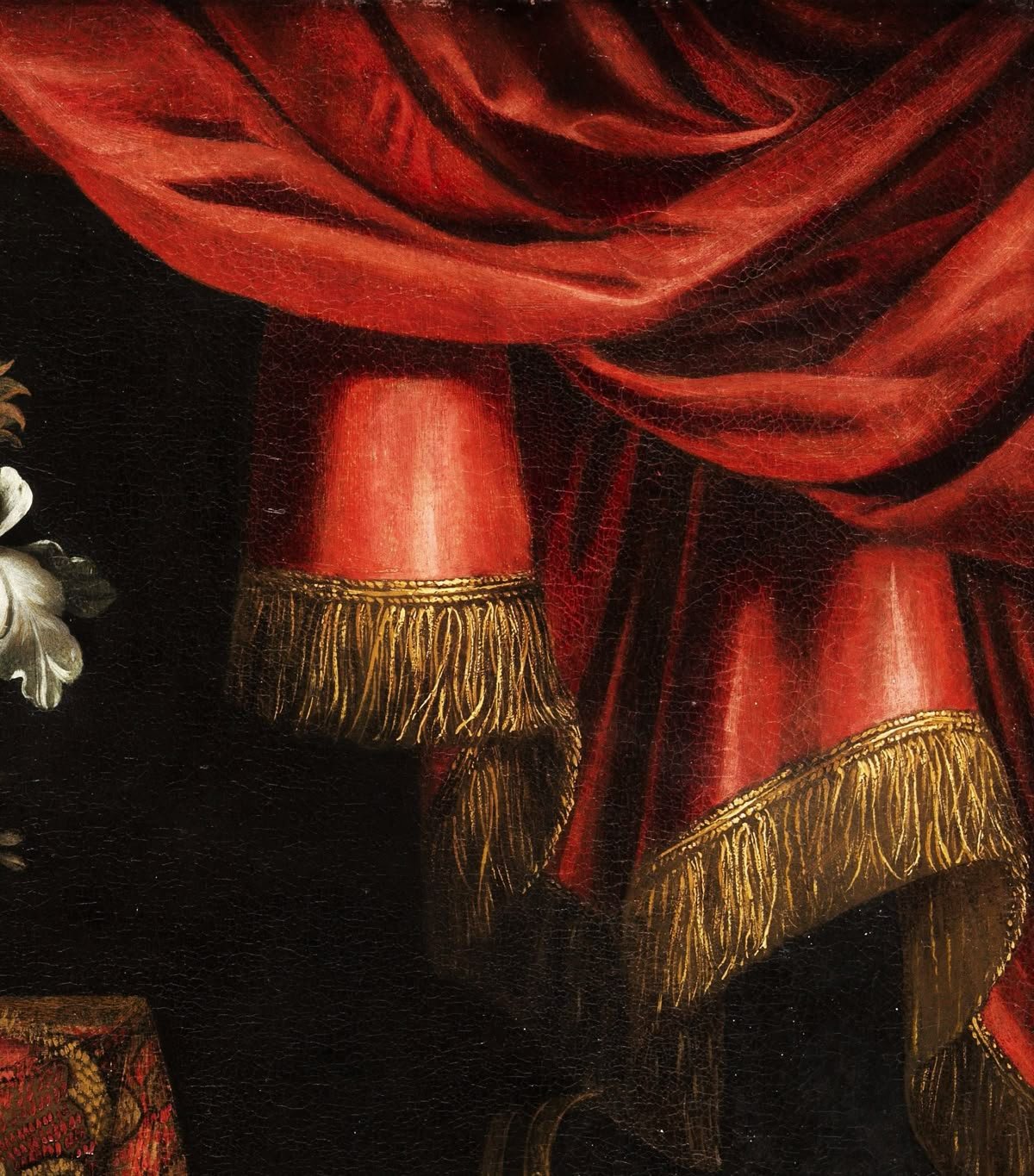
Against dark backgrounds and muted surroundings, a red garment immediately controls the eye. Painters could use a sleeve, a curtain, a shoe or a mouth to determine where the viewer looked first.
Red became particularly effective in portraits because it transformed clothing into presence.
Titian’s celebrated reds, the sumptuous fabrics of Renaissance portraiture and the deep crimson interiors of later European painting all exploited the same quality: red seems almost to advance toward the viewer.
This is also why red works so well with skin. Crimson fabric can make pale skin appear more luminous; red lips intensify the face; a small red detail can become more powerful than an entire elaborate garment.
Fashion would repeatedly return to this relationship between red and the body.
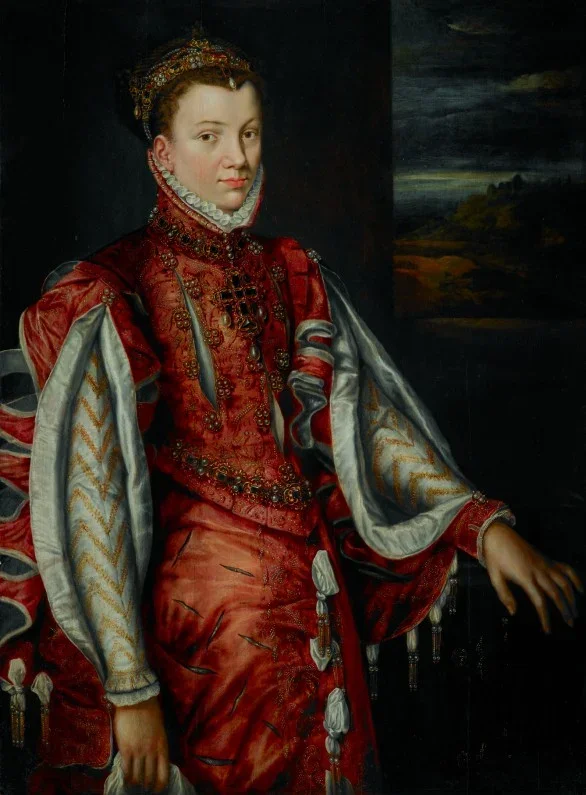
Jooris van der Straeten, Portrait of Elisabeth of Valois, Queen of Spain, c. 1560s.
The Red Lip
Few objects demonstrate the contradictory history of red better than lipstick.
Painting the lips has existed in different forms across ancient cultures, but the modern red lip accumulated a particularly rich set of meanings during the 20th century.
It could be glamorous and respectable, theatrical and erotic, rebellious and meticulously elegant.
During the suffrage movement, red lipstick was embraced by some campaigners as a visible gesture of defiance. Hollywood later turned the red mouth into one of the defining images of screen femininity.
It alters the face by highlighting the mouth, one of the most sensual parts of the body. It makes speech visible. It leaves traces.
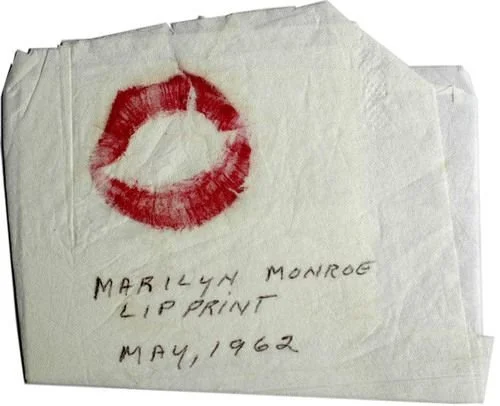
Marilyn Monroe Lip Print, 1962
The Woman in the Red Dress
Cinema inherited centuries of symbolism and understood immediately what to do with it.
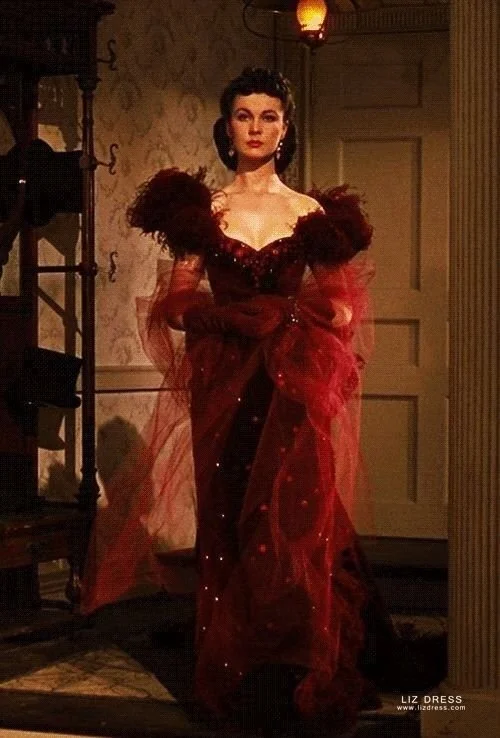
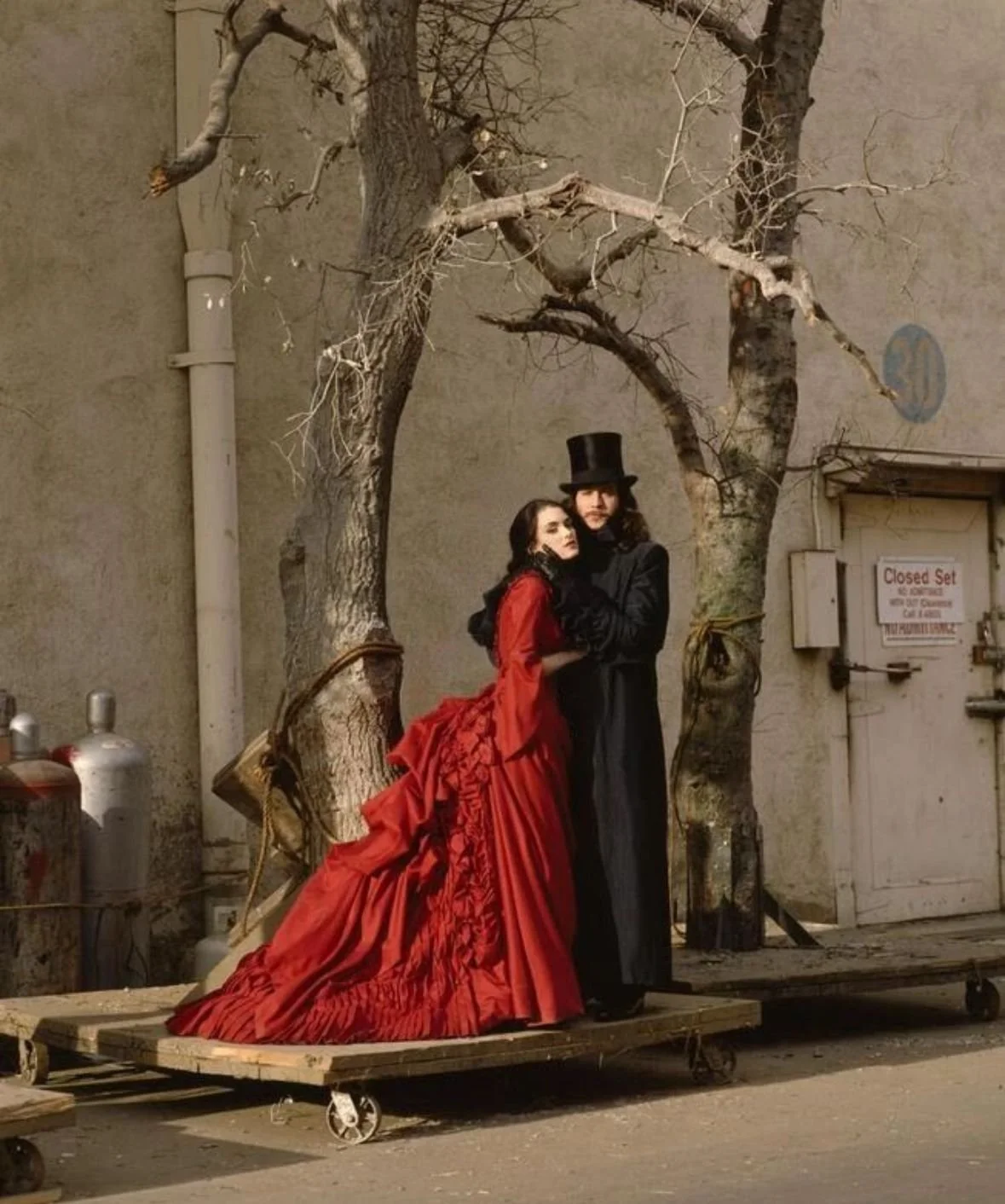
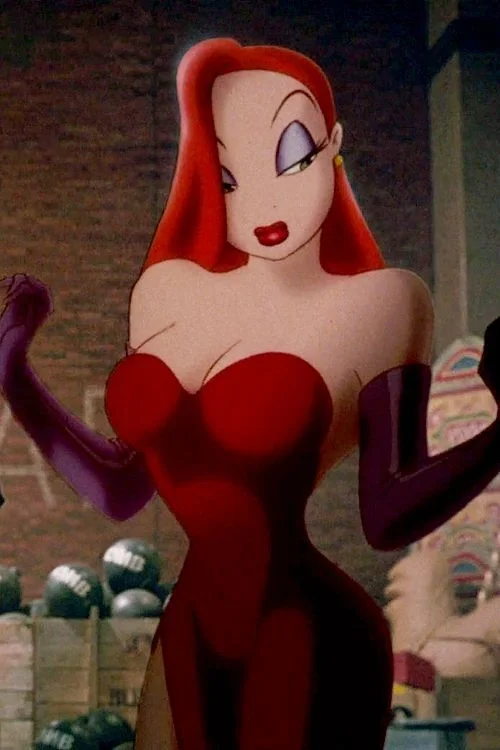
Costume designers have repeatedly used the colour to signal desire, transformation, danger or a sudden awareness of sexuality. Sometimes the symbolism is explicit; sometimes a red garment simply isolates a character from everyone around her.
Technicolor made the effect even more powerful. Once cinema could reproduce saturated colour, red became almost impossible to ignore.
The red dress consequently developed its own cinematic mythology.
Unlike black, which can conceal and protect, red exposes. It outlines the body and separates it from its surroundings. It announces that the wearer understands she is being watched, or has decided that she does not care.
This is why the red dress appears so often at moments of transformation.
A character who previously blended into the background suddenly appears in scarlet and becomes impossible to overlook. Red changes the balance of power.
Red and the Femme Fatale
Film noir is remembered largely in black and white, yet the femme fatale belongs conceptually to the world of red.
She embodies many of the same contradictions: attraction and threat, beauty and destruction, pleasure and punishment.
Later neo-noir films, freed from monochrome, could make the connection literal. Red dresses, nails and lips became shorthand for a woman whose desirability might be dangerous.
Seduction becomes power when visibility is deliberate.
From Aristocracy to the Red Carpet
There is something almost amusing about the modern “red carpet”.
Celebrities walk across a colour once reserved for some of the most expensive textiles in the world, photographed while wearing garments designed to communicate status to millions of viewers.
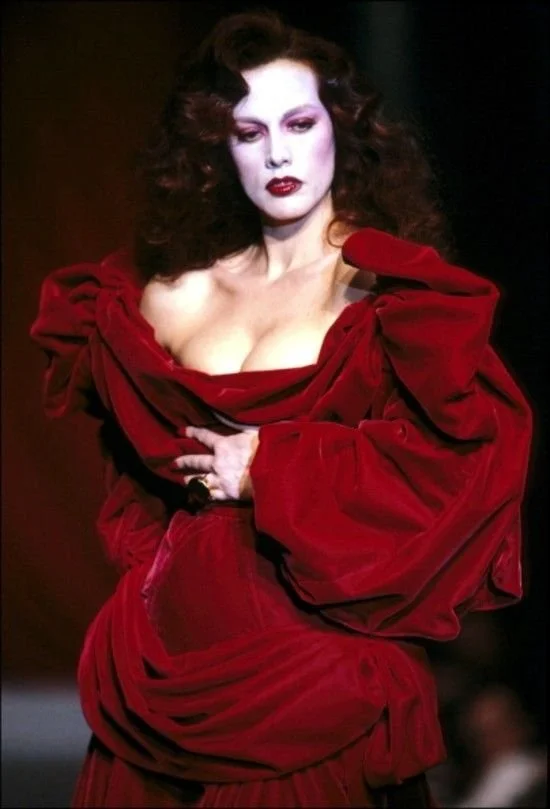
Fashion still uses red when it wants spectacle.
Valentino built an entire visual identity around a particular brilliant red. Christian Louboutin turned the red sole of a shoe into an instantly recognisable symbol of luxury. Designers repeatedly return to scarlet evening gowns because few colours photograph with the same authority.
Why Red Still Feels Dangerous
Today, almost anyone can wear red.
The pigments are no longer reserved for aristocrats. There are no sumptuary laws preventing us from buying a scarlet dress. And yet the colour has somehow retained its charge.
Perhaps because its oldest meanings cannot be completely erased: blood, fire, sex, power, sin, revolution…
That is why even the smallest amount can transform a look. A red nail beneath a black sleeve. A crimson lining hidden inside a coat. A red mouth against an otherwise bare face.
David Lynch: Behind the Red Curtain
David Lynch understood the unsettling power of red and used it multiple times.
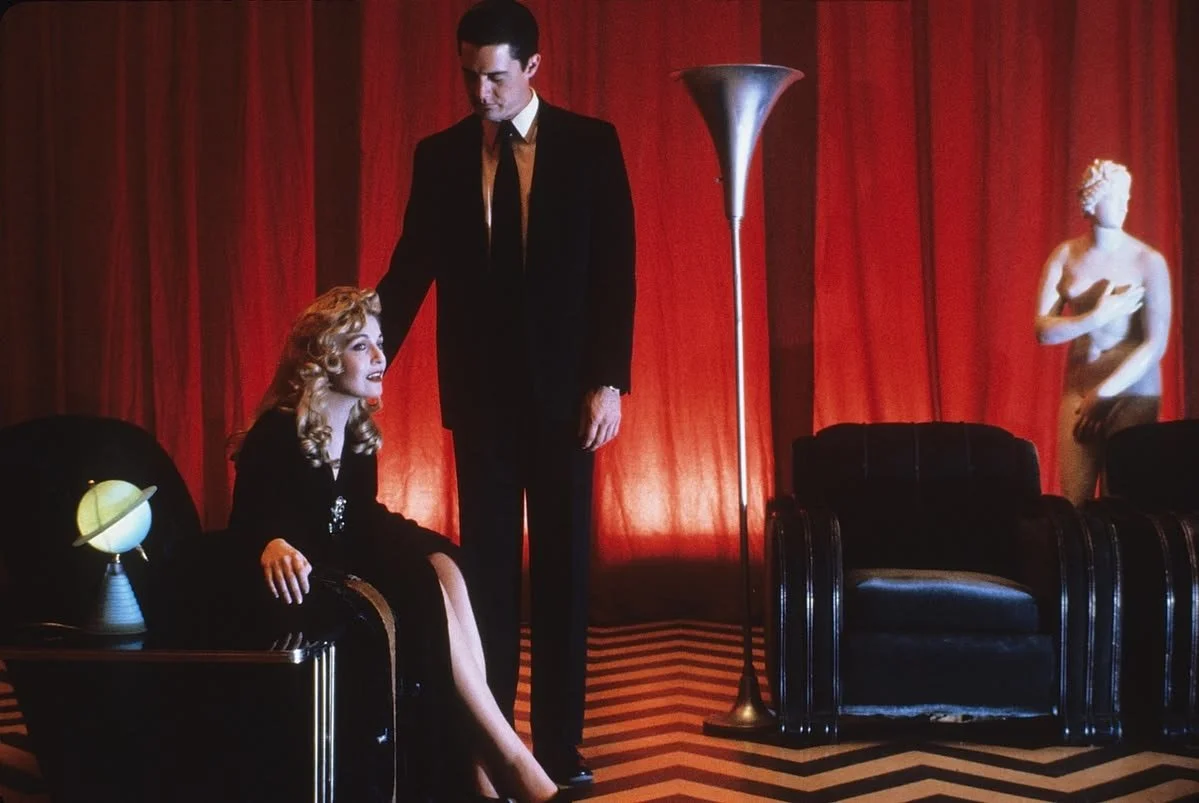
Throughout his work, red appears at the threshold between the familiar and the uncanny, a colour that seems to announce that reality is about to become unstable. Nowhere is this more iconic than in Twin Peaks, where the red curtains of the Black Lodge enclose a space that exists somewhere between dream, desire, death and the subconscious. The colour transforms the room into something simultaneously theatrical and threatening: a stage on which the normal rules of the world no longer apply.
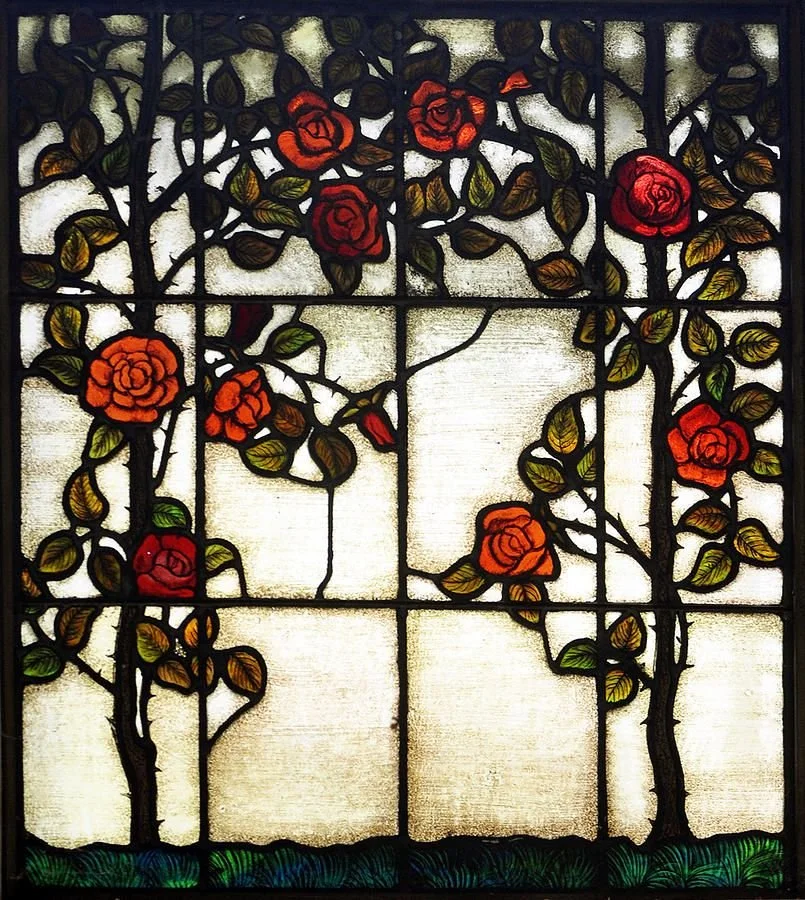
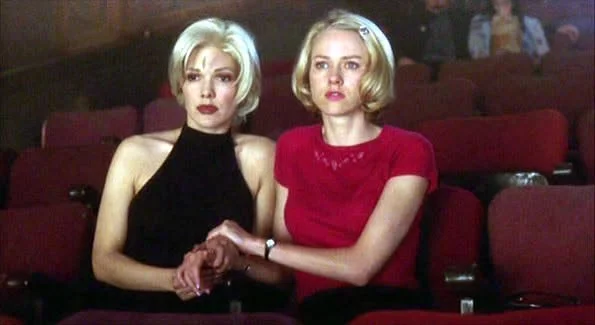
The same visual language runs through Lynch’s cinema. In Blue Velvet, red roses and Dorothy Vallens’ red lipstick puncture the artificial perfection of suburban America, hinting at the violence and erotic obsession concealed beneath its surface. In Mulholland Drive, the red lampshade becomes attached to mystery and unseen forces, while the red curtains of Club Silencio once again frame a world in which appearance and reality begin to separate.
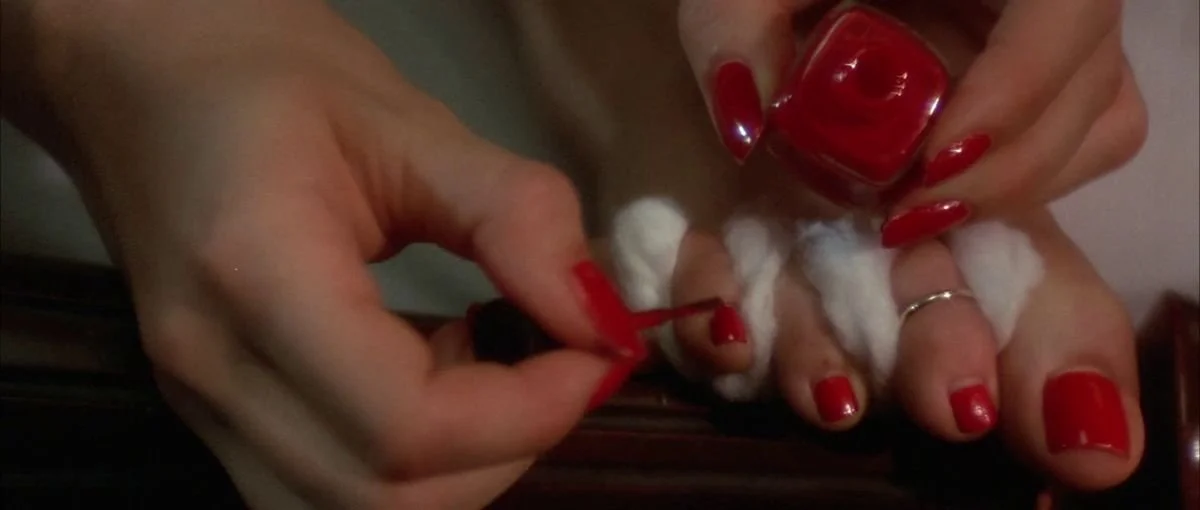
In Wild at Heart, Lula paints her nails a vivid red. Red becomes an extension of her body and sexuality. Her nails, lips and clothes belong to the film’s deliberately excessive visual language, in which desire is never discreet and danger is never very far away.
For Lynch, red is a warning, an invitation and a curtain waiting to be opened.
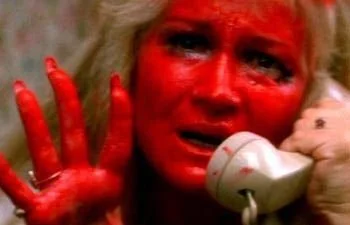
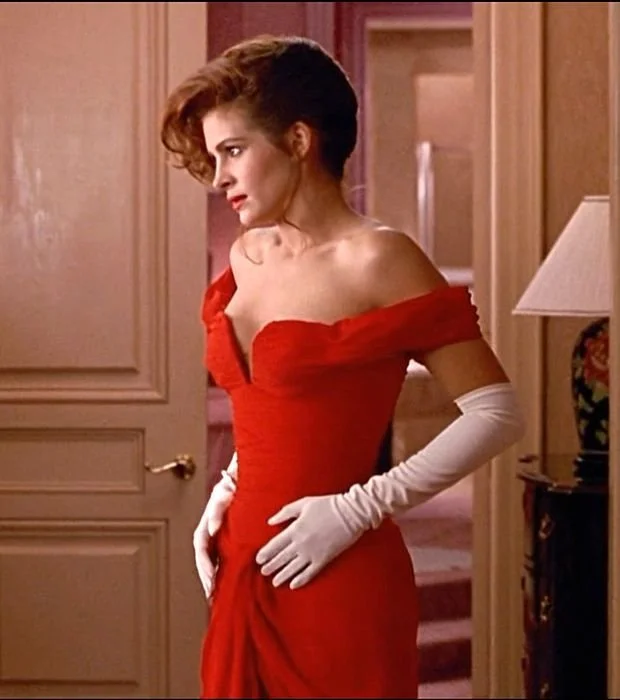
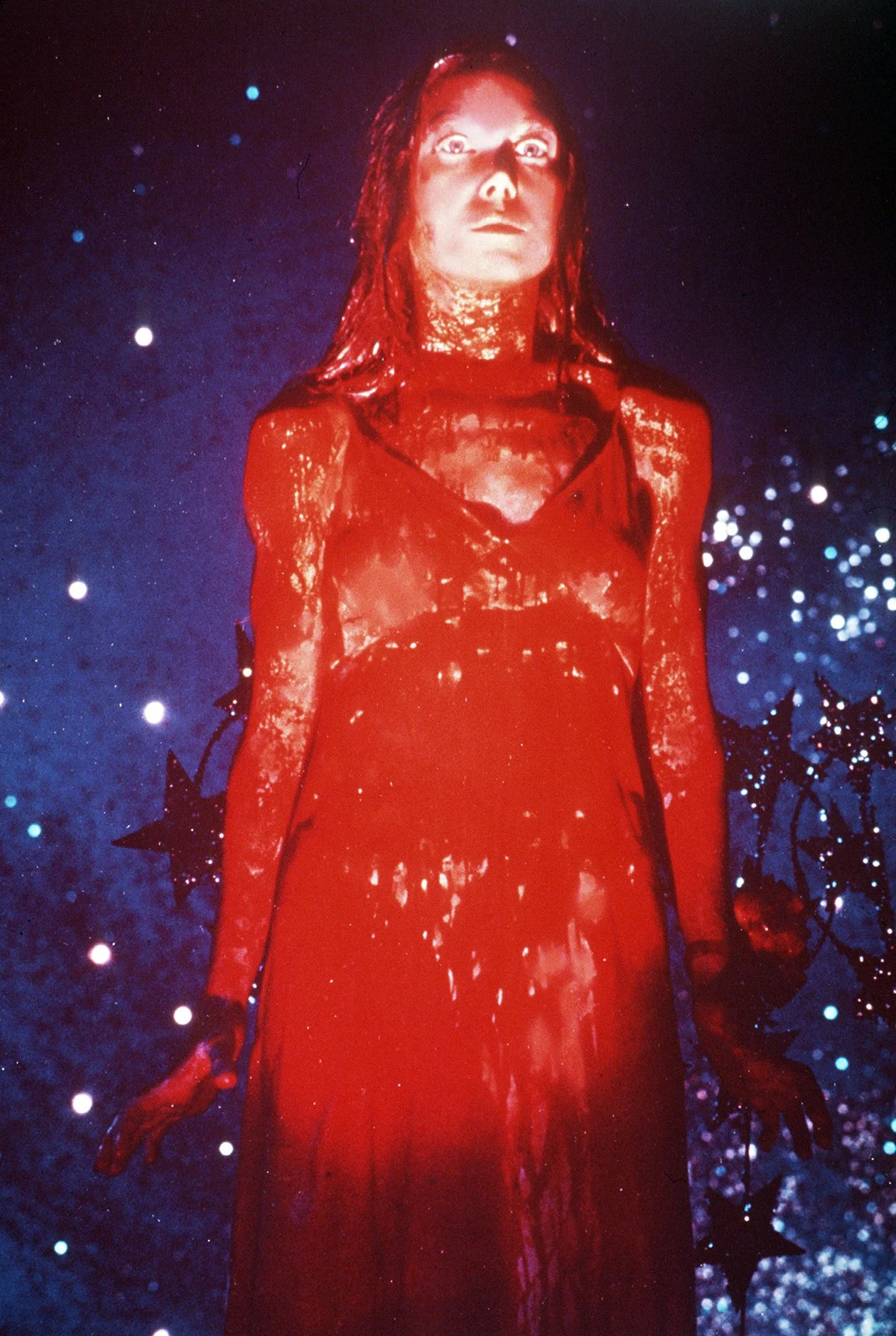
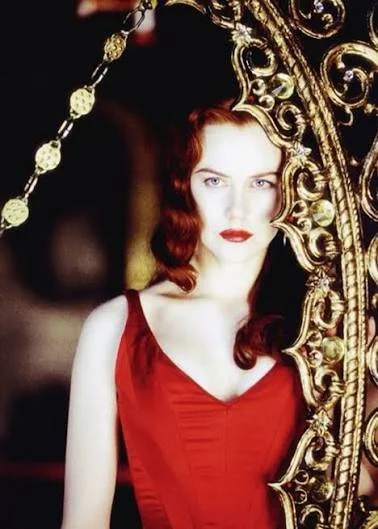
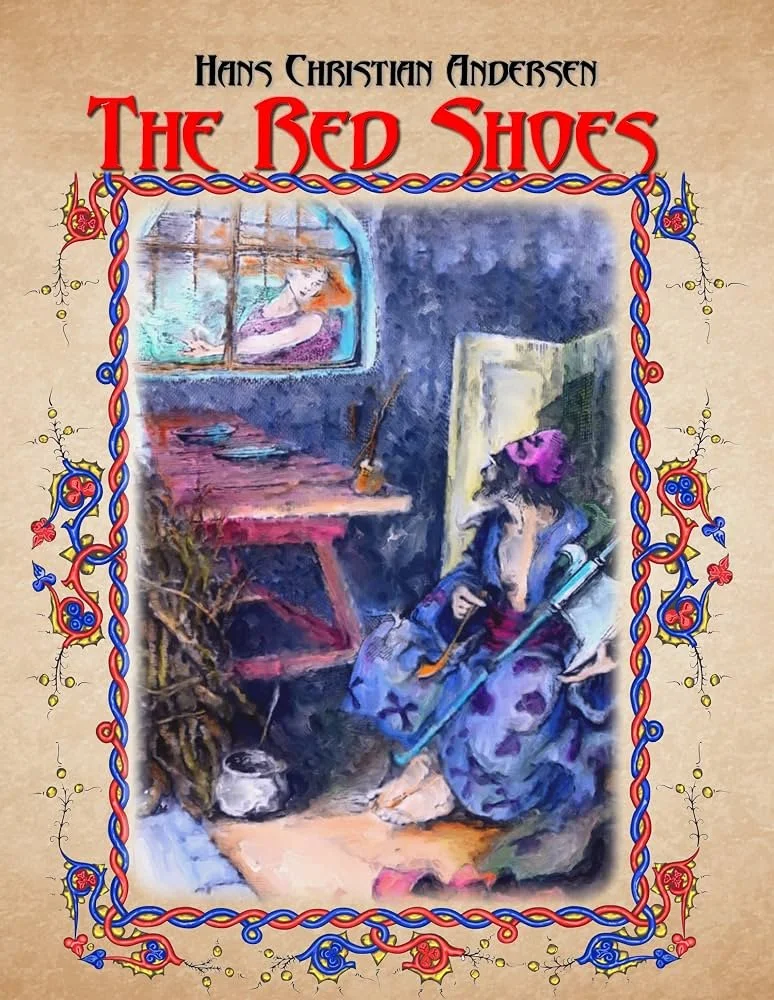
I could go on and on about the presence of red in literature, cinema and pop culture. Instead, I’ll leave you with a few more visual references…
-Marie <3
PS: A book I highly recommend to learn about red : Rouge, Histoire d’une couleur, Michel Pastoureau, Edition Points, 2020.He also wrote about other colors in the same collection.



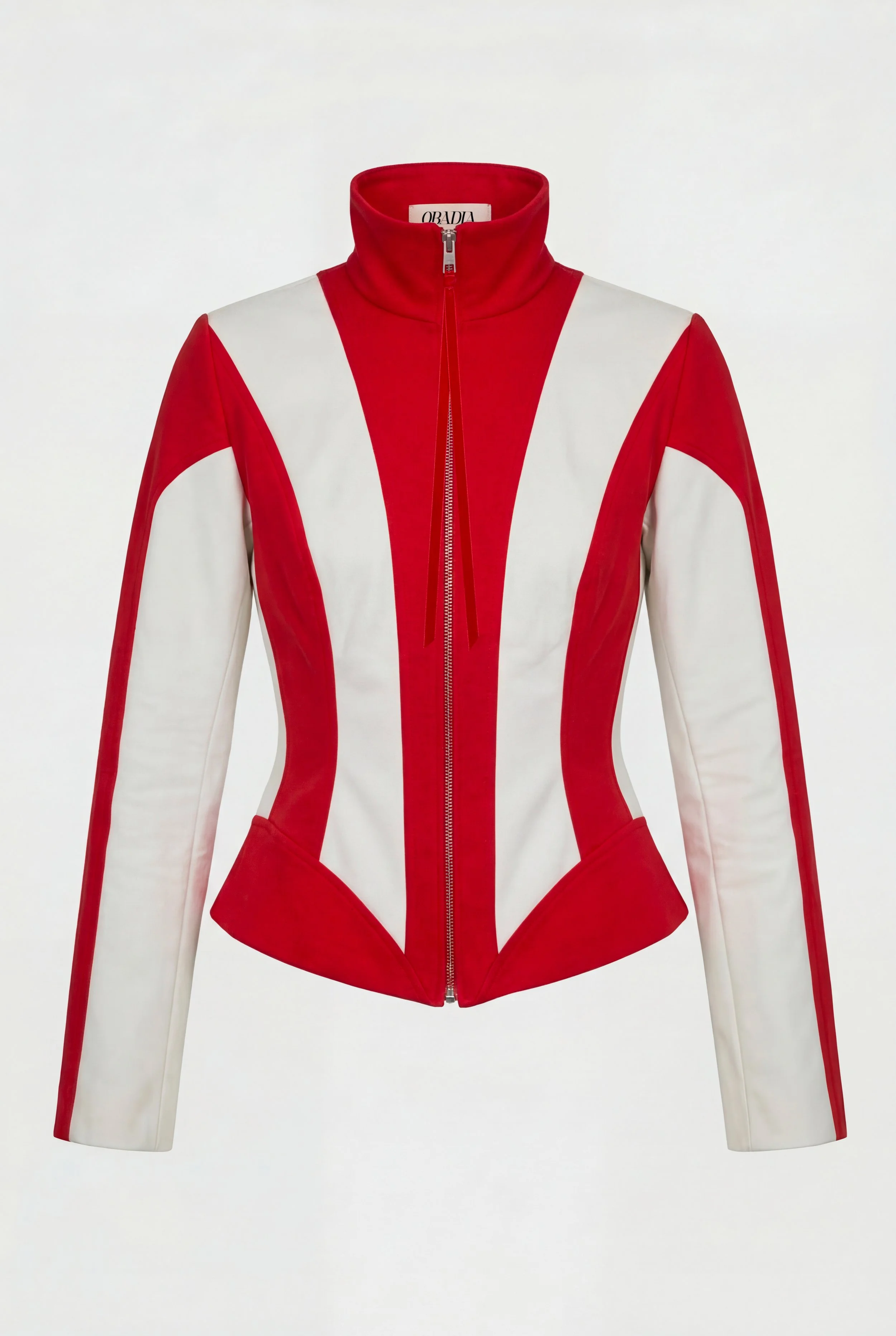
The Manhunt Jacket is a cropped, two-tone cotton jacket defined by its architectural construction and distinctive cut-out detailing.
Inspired by vintage racing jackets, its structured silhouette combines sharp lines with a bold, graphic contrast.
Available in Red/White and Black/White.
MADE TO ORDER : Please allow 3 weeks for production.
As we use hand-dyed deadstock fabrics, slight variations in color may occur from one piece to another.
Contact us to share your measurements for a perfect fit.