
The Dandy: Fashion’s First Anti-Hero
The word dandy often evokes a sharply tailored gentleman, an impeccable cravat and polished leather shoes.
Yet to reduce the dandy to his wardrobe is to misunderstand him entirely.
Dandyism was never simply about dressing well.
It was about transforming one’s life into a work of art.
More Than Elegance
The dandy emerged in Britain at the turn of the nineteenth century, during a period of profound social change.
Industrialisation was reshaping society, wealth was no longer reserved for the aristocracy alone and fashion itself was becoming increasingly accessible.
Against this backdrop, a new figure appeared.
The dandy rejected excess, but he also rejected conformity. His elegance was deliberate.
Every detail, from the cut of his coat to the knot of his cravat, reflected discipline rather than extravagance.
Clothing became a language.
Philosophy
Unlike fashion, which constantly reinvents itself, dandyism sought permanence.
The dandy was not interested in dressing like everyone else, nor in attracting attention through extravagance.
Instead, he cultivated a personal style that remained remarkably consistent over time.
His wardrobe became an extension of his identity.
Every perfectly cut coat, every polished boot and every carefully tied cravat expressed independence rather than social status.
In many ways, the dandy was fashion's first anti-hero.
He refused both excess and conformity.
Four Men Who Shaped Dandyism
Although dandyism became a cultural movement, several remarkable figures helped define its different facets.
Beau Brummell (1778-1840): The Architect of Elegance
George Bryan “Beau” Brummell is widely regarded as the founder of modern dandyism.
A close friend of the Prince Regent, Brummell rejected the elaborate embroidery, powdered wigs and bright colours that had dominated eighteenth-century menswear. Instead, he championed immaculate white linen, perfectly tailored dark coats and exceptional attention to fit.
His influence permanently transformed men's fashion.
The modern suit owes more to Brummell than to almost anyone else in history.
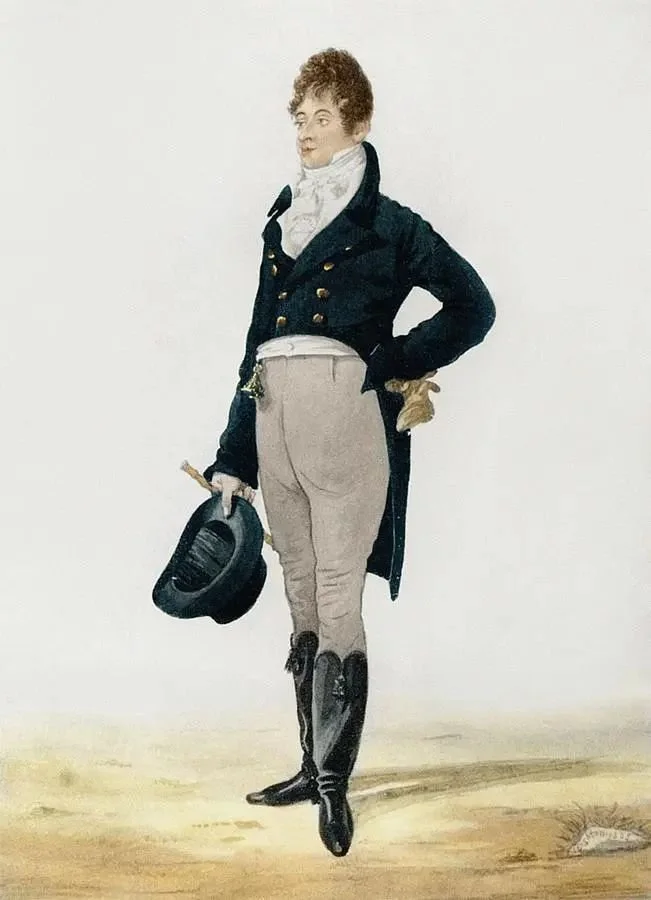
Portrait of Beau Brummell
Lord Byron (1788-1824): The Romantic Dandy
If Brummell represented discipline, Lord Byron embodied passion.
Poet, aristocrat and one of the leading voices of Romanticism, Byron cultivated an image that blended effortless elegance with melancholy, charisma and mystery. His personality fascinated Europe and inspired countless artists.
Among those captivated by Byron was his personal physician, John Polidori, whose novella The Vampyre introduced Lord Ruthven, the first aristocratic vampire in English literature. Through Byron, the figure of the dandy became forever associated with the romantic anti-hero - beautiful, intelligent and irresistibly enigmatic.
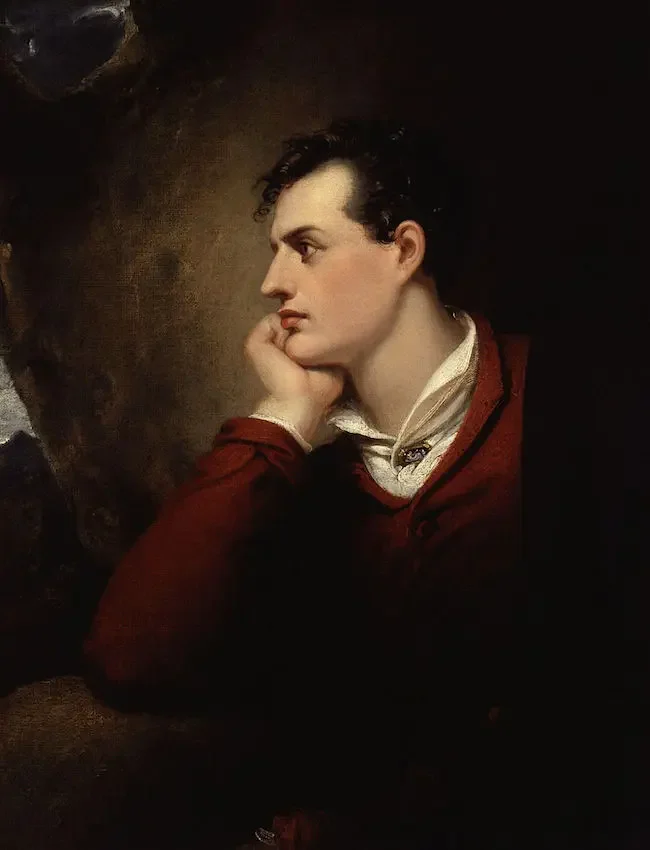
Portrait of Lord Byron
Charles Baudelaire (1821-1867): The Philosopher of Dandyism
If Brummell embodied dandyism, Charles Baudelaire explained it.
In The Painter of Modern Life (1863), Baudelaire described the dandy as someone who elevates elegance into a disciplined philosophy rather than a superficial pursuit.
For him, the dandy cultivated beauty, self-control and independence in a society increasingly driven by conformity. Dress was not the objective, but the visible expression of an inner attitude.
True elegance, Baudelaire argued, demanded restraint, intelligence and absolute individuality.
More than a style, dandyism became an ethical ideal.
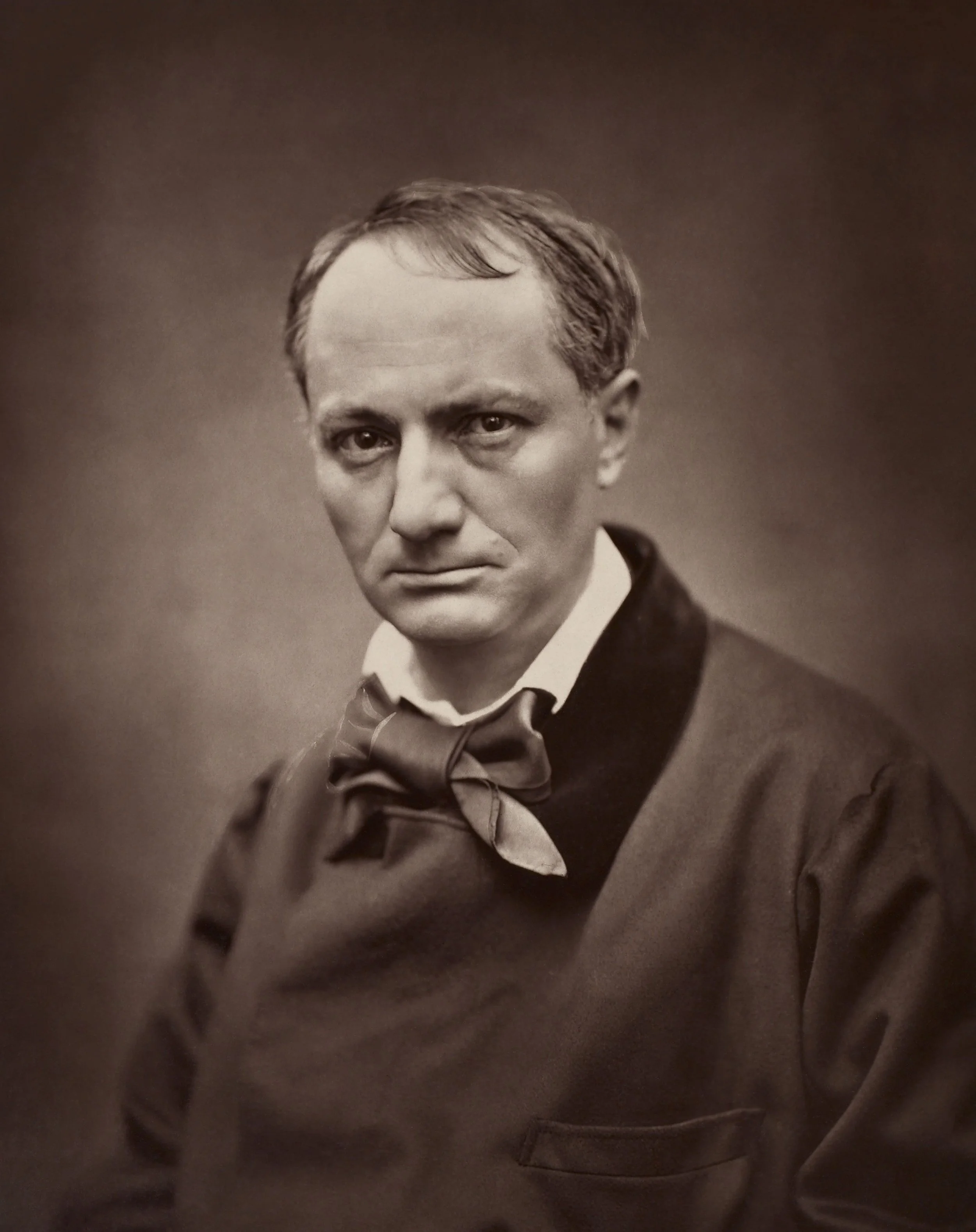
Portrait of Charles Baudelaire, 1862
Oscar Wilde (1854-1900): Life as a Work of Art
Oscar Wilde carried dandyism beyond fashion and into every aspect of life.
Writer, playwright and wit, Wilde believed beauty should shape not only clothing, but conversation, literature, interior design and personal conduct.
His velvet jackets, silk cravats and green carnations were never mere decoration.
They reflected a conviction that life itself could become a work of art.
As he famously wrote:
“One should either be a work of art, or wear a work of art.”
Few sentences better capture the enduring spirit of the dandy.
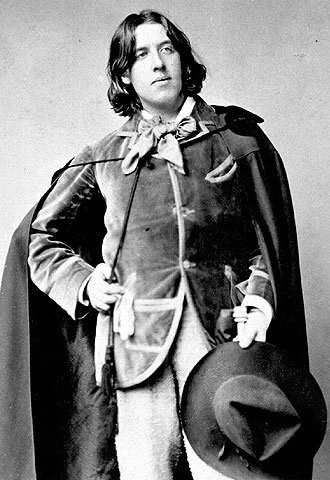
Portrait of Charles Baudelaire, 1862
The Dandy on Screen
Cinema has preserved the dandy perhaps better than history itself.
Characters such as Lestat de Lioncourt in Interview with the Vampire, Tom Ripley in The Talented Mr. Ripley and many interpretations of Dracula all inherit aspects of the dandy tradition. Their impeccable tailoring, cultivated manners and carefully constructed identities reveal character long before dialogue does.
Costume becomes storytelling & elegance becomes psychology.
The Dandy Still Matters
More than two centuries after his appearance, the dandy remains surprisingly contemporary.
In an age of fast fashion, constant consumption and rapidly changing trends, his philosophy feels almost radical.
He reminds us that style is not measured by quantity, but by consistency.
That craftsmanship matters more than novelty.
That clothing can express identity without demanding attention.
Perhaps this is why the dandy continues to fascinate.
He was never trying to be fashionable. He was trying to become unmistakably himself.
OBADIA’s Perspective
At OBADIA, the dandy is not only a historical figure confined to the nineteenth century.
He represents an enduring way of thinking about clothing - one rooted in precision, individuality and timeless elegance.
Our collections reinterpret the principles of historical tailoring through contemporary silhouettes, drawing inspiration from those who viewed dress as an extension of identity rather than a response to fashion.
Like the dandy, we believe that true style is cultivated over time.
Further Reading
For those wishing to explore dandyism beyond fashion history, Daniel Salvatore Schiffer’s Le Dandysme – La création de soi is an exceptional resource. Richly illustrated and remarkably accessible, the book traces the evolution of dandyism from Beau Brummell and Lord Byron to Oscar Wilde, David Bowie and beyond. More than a history of style, it presents dandyism as a philosophy of self-creation—an idea that resonates deeply with the belief that clothing can become an extension of one's identity rather than a response to passing trends. It is one of the most insightful books we have read on the subject. Here is the link.
-Marie <3
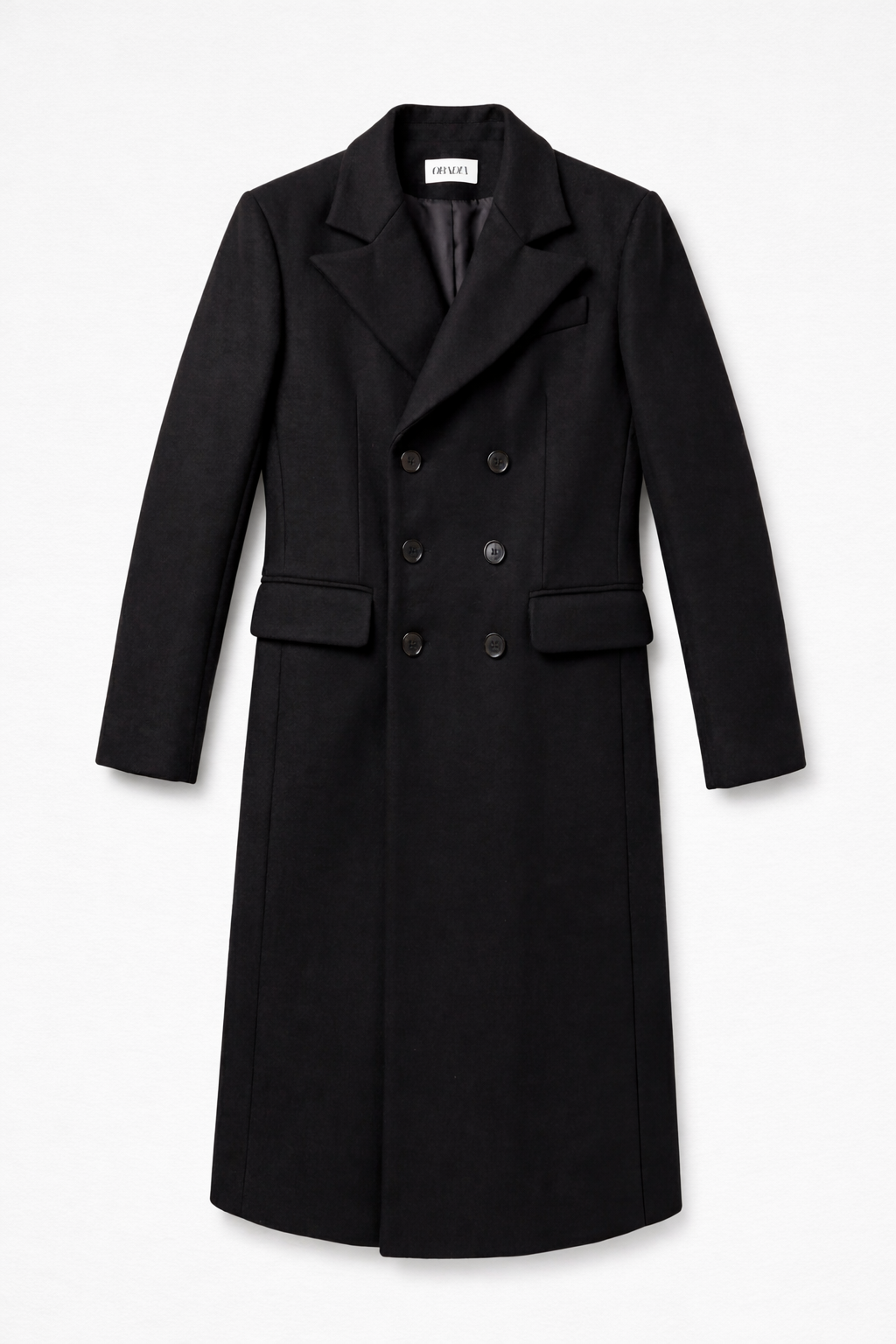
The Carfax Coat is a long black wool coat inspired by traditional dandy tailoring.
Defined by structured shoulders, a straight silhouette and a high stand-up collar, it creates a sharp, elongated shape with a distinctly formal attitude.