
Why We Still Dress Like Aristocrats
Whether we realise it or not, many of the garments we wear today trace their origins back to Europe's aristocratic courts.
The tailored jacket, the white shirt, the overcoat and even the necktie all carry centuries of history within their seams.
The Aristocratic Origins of Modern Dress
For centuries, clothing was one of the clearest markers of social status.
Long before fashion became accessible, luxurious fabrics, impeccable tailoring and elaborate garments belonged almost exclusively to royalty and the aristocracy.
Silk, velvet and fine wool were expensive.
Tailors worked by hand.
Every garment represented hundreds of hours of craftsmanship.
To dress elegantly was not simply a matter of taste. It was a privilege.
The Shirt: Once Hidden, Now Essential
It may be difficult to imagine today, but the shirt was originally considered an undergarment.
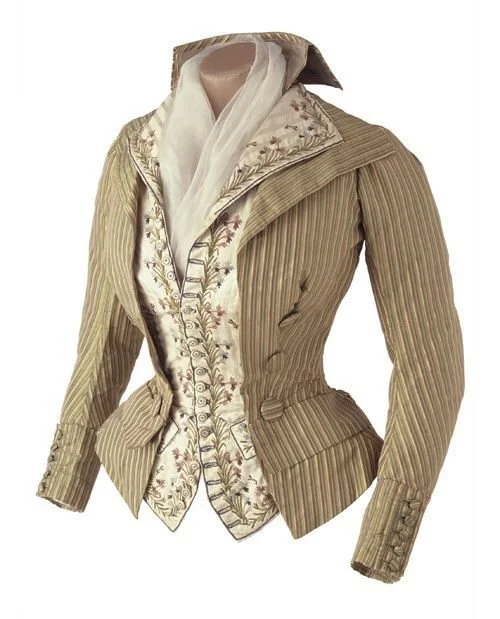
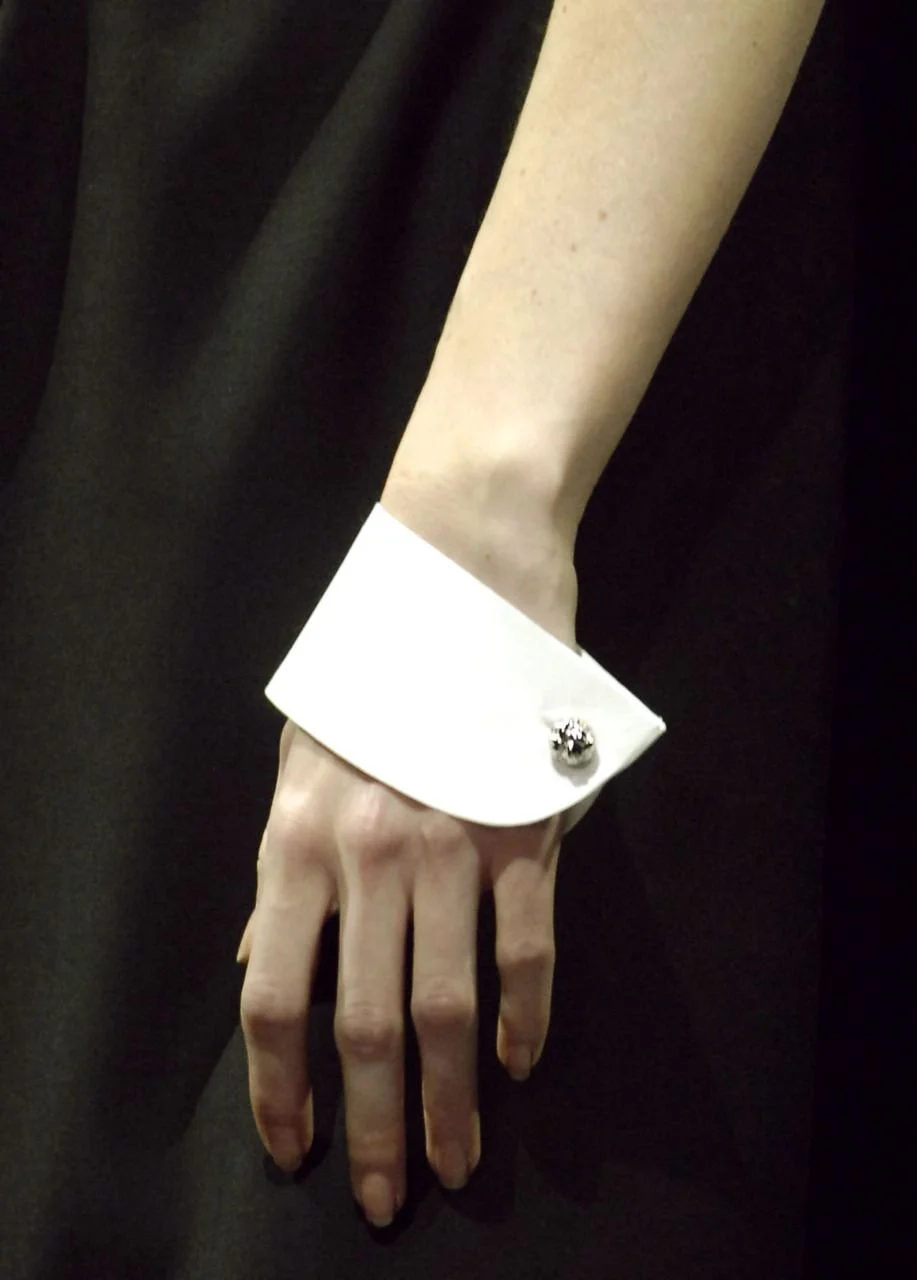
During the seventeenth and eighteenth centuries, aristocratic gentlemen wore finely woven linen shirts beneath richly embroidered waistcoats and coats. Only the collar and cuffs were intended to be seen, their immaculate whiteness serving as a discreet sign of wealth.
Maintaining brilliantly white linen required frequent laundering—an expense few could afford.
What began as invisible luxury gradually became one of the defining pieces of modern menswear.
Tailoring as a Language of Power
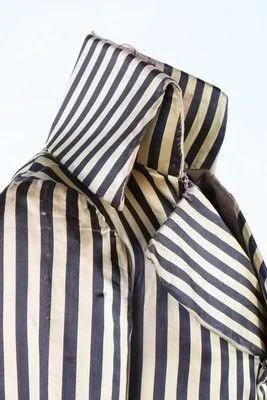
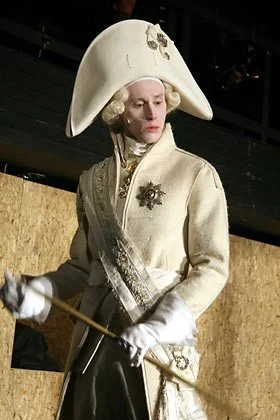
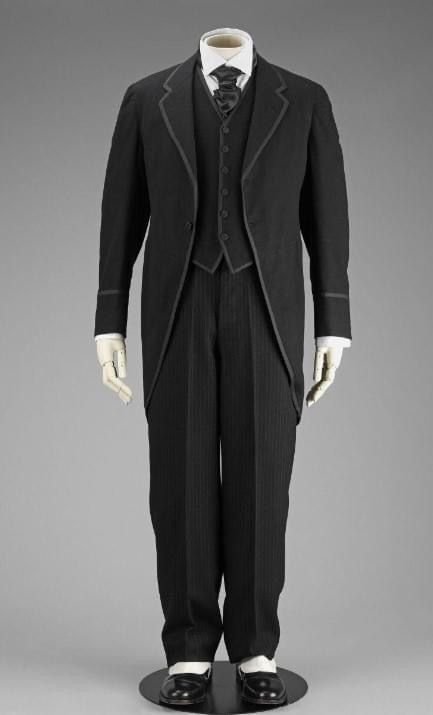
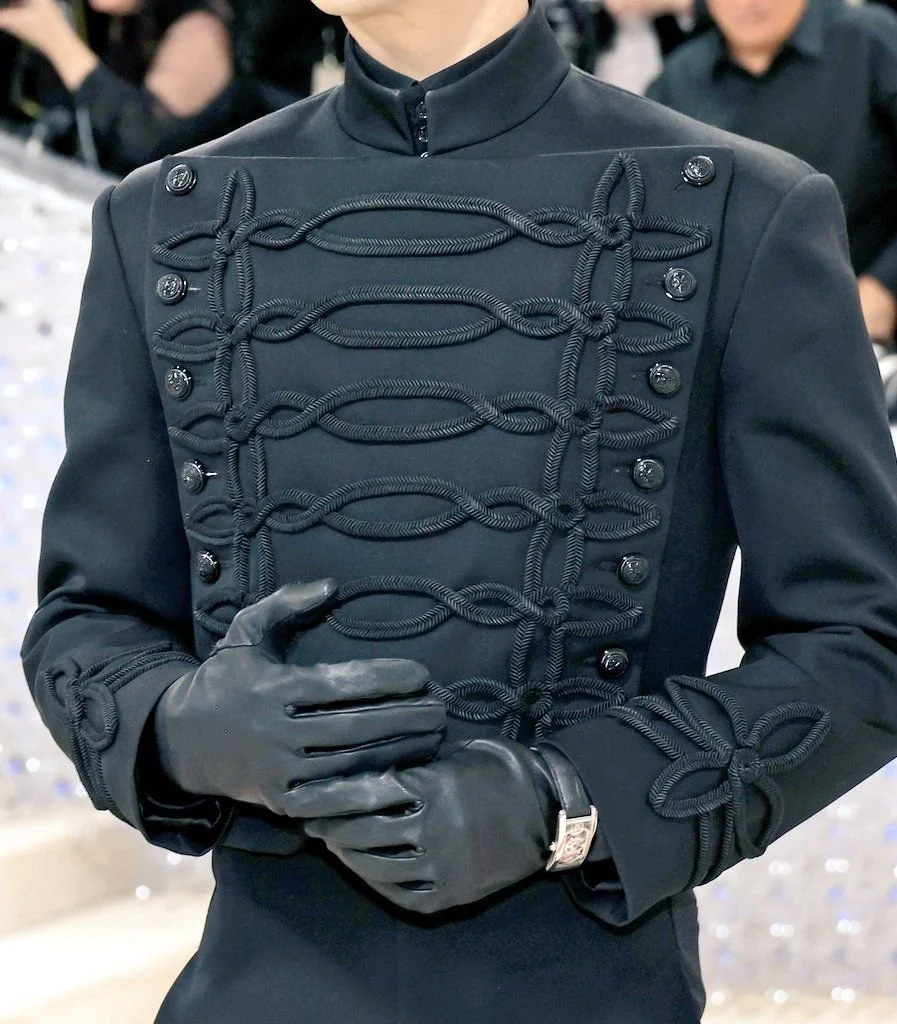
The tailored jacket traces its lineage to military uniforms, riding coats and court dress.
Its structured shoulders, fitted waist and carefully balanced proportions were never purely decorative. They projected authority, discipline and confidence.
Although today's tailoring has become more relaxed, its purpose remains remarkably similar.
A well-cut jacket still changes the way a person carries themselves. Some shapes never lose their power.
Details That Refuse to Disappear
Many of fashion's smallest details have survived centuries almost unchanged.
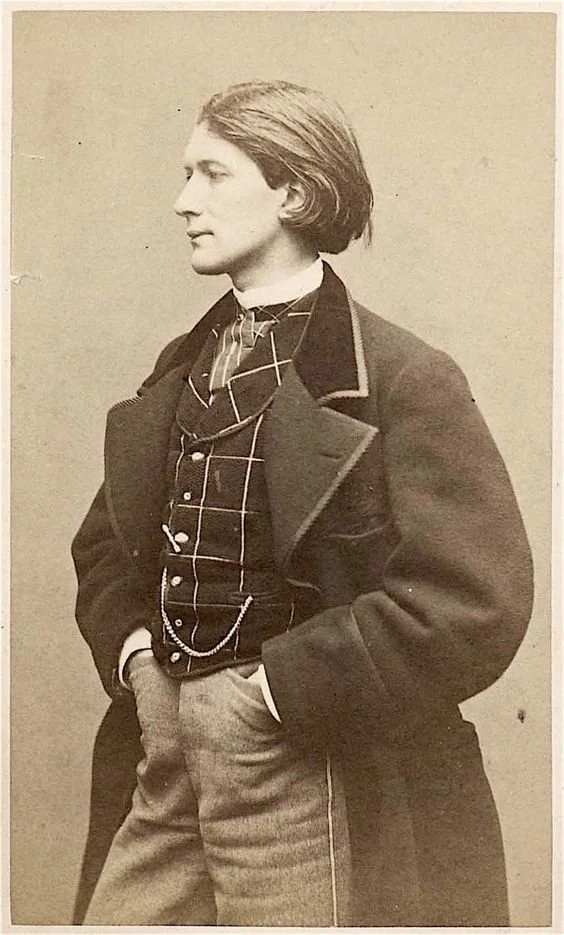
The lapels on a blazer originated from coats designed to fold back for comfort.
Cuffs and cufflinks evolved from practical fastenings into symbols of refinement.
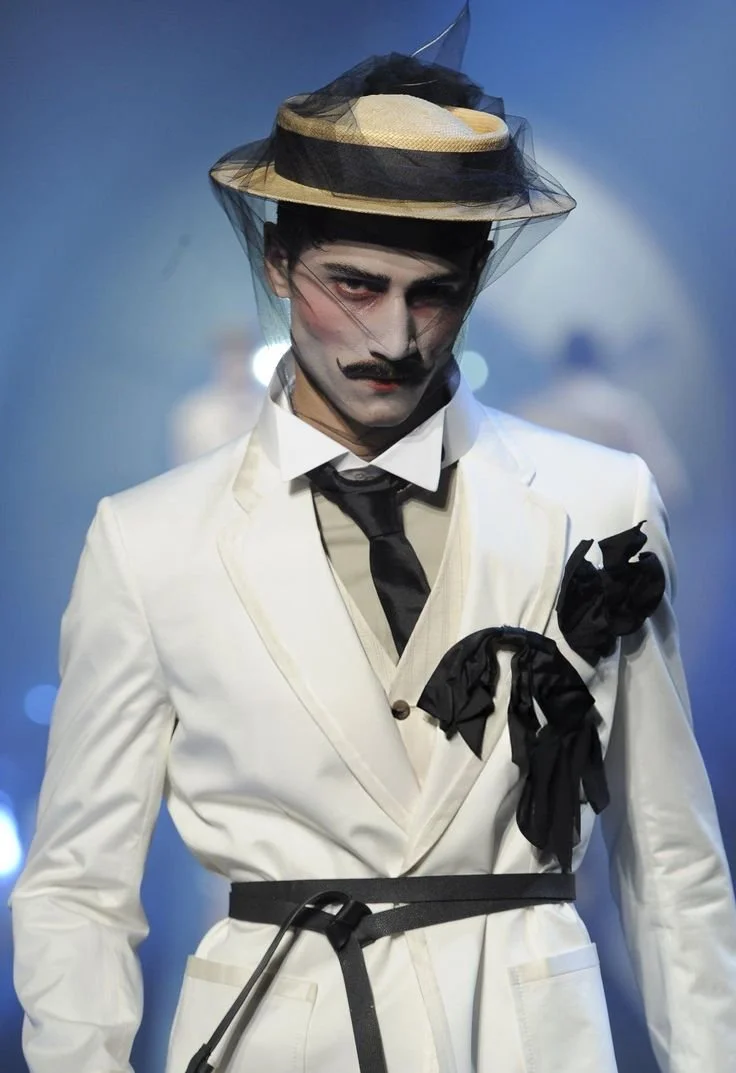
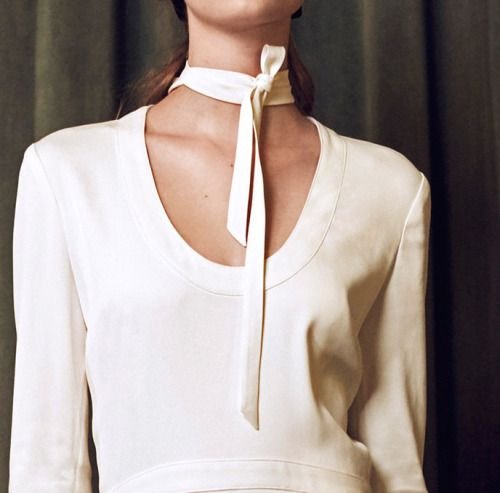
Neck bows and cravats became modern ties and lavallières.
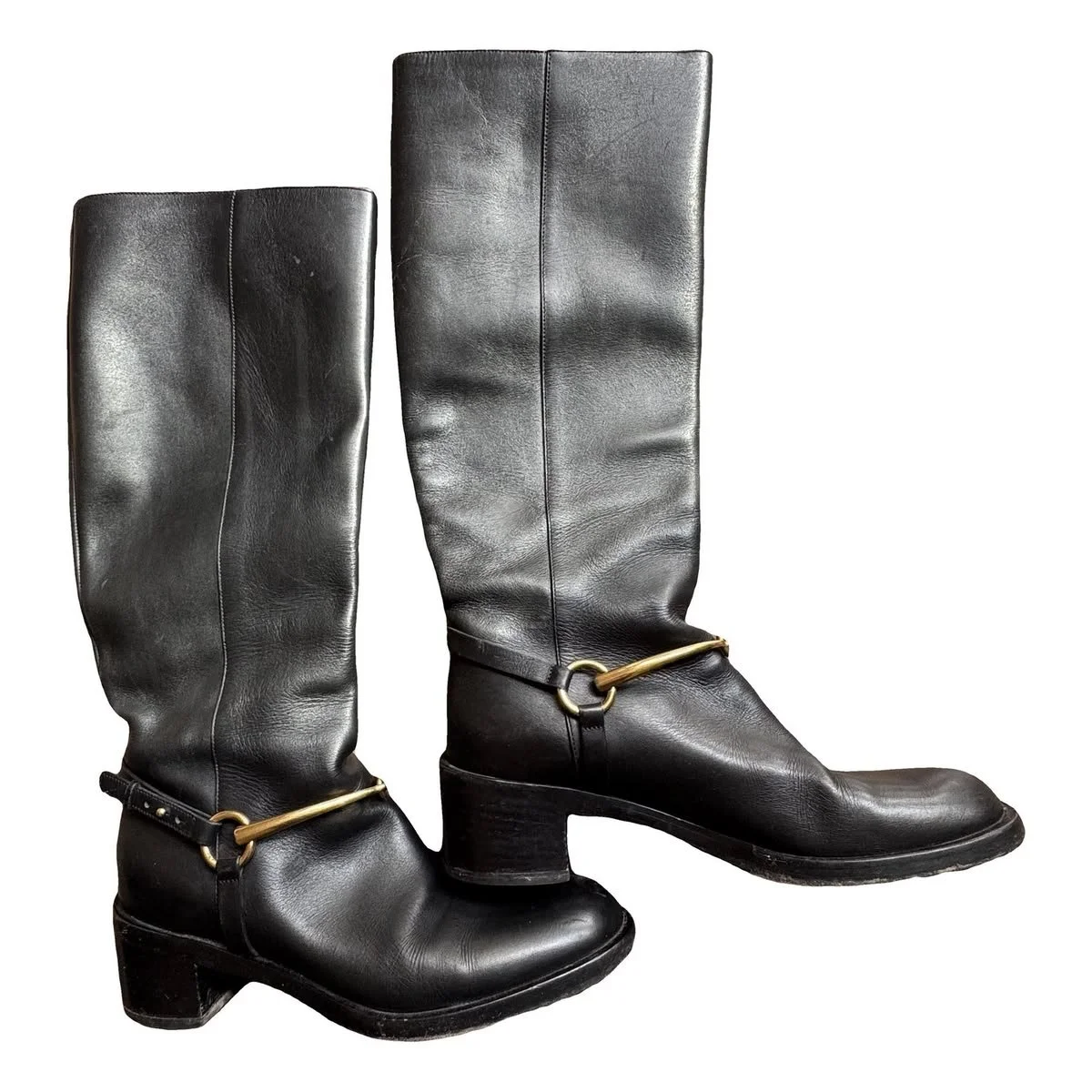
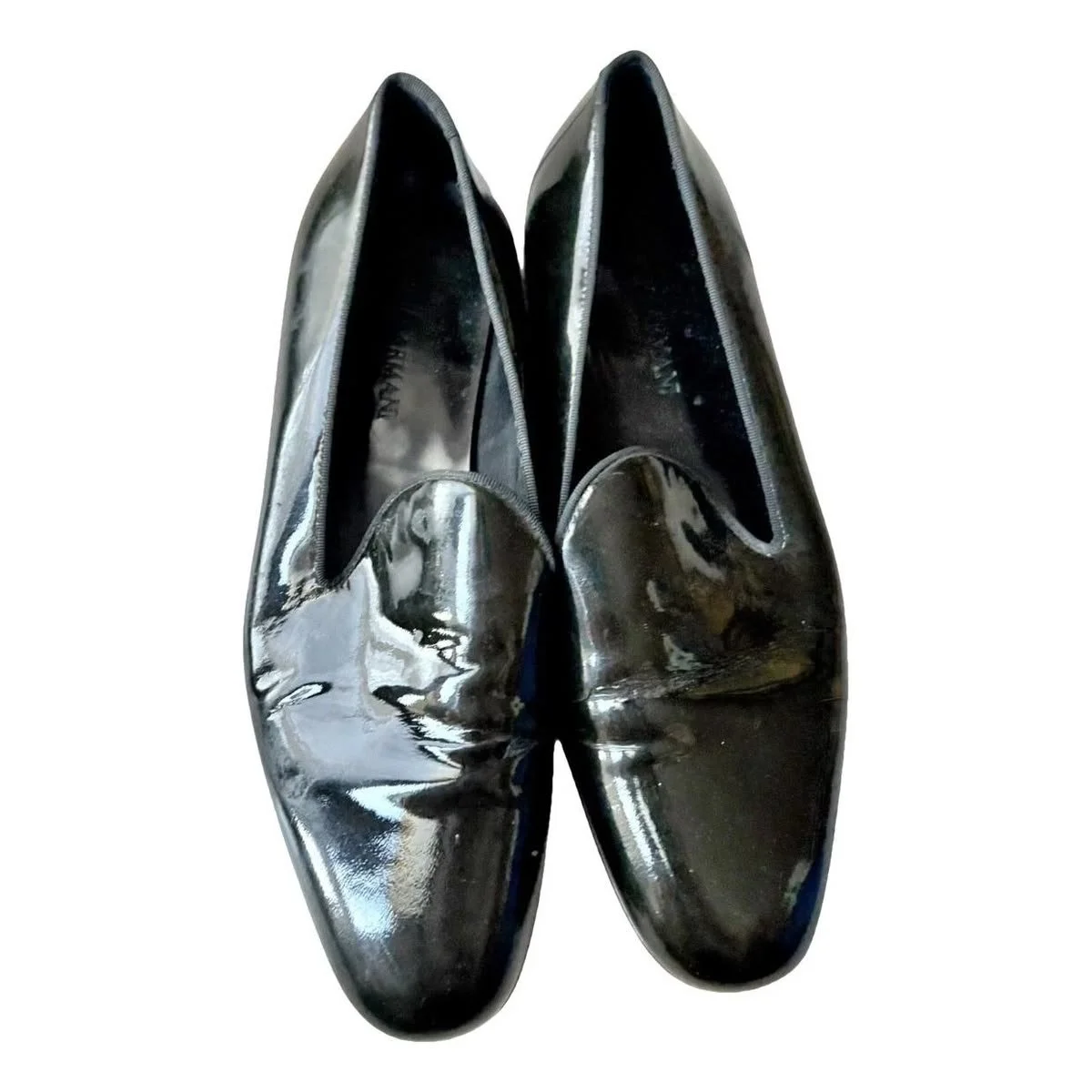
Leather loafers and derbies remain descendants of shoes once associated with gentlemen and equestrian culture.
These elements endure not because tradition demands it, but because thoughtful design rarely becomes obsolete.
From Court Dress to Contemporary Fashion
The French Revolution transformed the political landscape of Europe, but it did not erase centuries of sartorial knowledge. Instead, fashion gradually simplified. Decoration became subtler. Silhouettes became lighter.
Yet the foundations of aristocratic dress remained.
The modern suit. The tailored coat. The silk blouse. The structured overcoat.
Each carries echoes of garments first worn in palaces, salons and royal courts.
History survives not only in museums, but in wardrobes.
Cinema Keeps the Past Alive
Period films have helped preserve this connection between contemporary fashion and historical dress.
From Pride and Prejudice to The Favourite, costume designers continually reinterpret aristocratic wardrobes with extraordinary care. These garments do more than recreate history—they remind us that today's tailoring, eveningwear and formal dress are all rooted in centuries of craftsmanship.
Cinema reveals what everyday fashion often conceals. Our wardrobes have a memory.
Why We Continue to Return to Elegance
Trends change rapidly. Silhouettes expand and contract. Colours come and go.
Yet certain garments continue to reappear generation after generation :
A beautifully tailored coat.
A crisp white shirt.
A silk neck bow.
A double-breasted jacket.
These are not trends but cultural inheritances. Fashion returns to them because they have already stood the test of time.
OBADIA’s Perspective
At OBADIA, historical references are never treated as nostalgia.
Instead, they provide a foundation for contemporary design.
Our collections reinterpret elements drawn from aristocratic tailoring, historical silhouettes and traditional craftsmanship through a modern lens. Rather than reproducing period dress, we seek to preserve its enduring qualities: precision, elegance and timeless construction.
To us, history is not something to imitate, it is something to continue.
Dressing for the Future, Inspired by the Past
The most enduring garments rarely owe their longevity to novelty.
They survive because generations continue to recognise their beauty, their functionality and their quiet confidence. They mean something to us.
Every tailored jacket, every carefully tied bow and every impeccably cut coat reminds us that fashion is a conversation between centuries.
We may no longer live in palaces. But every morning, we still dress in the legacy of those who once did…
-Marie <3
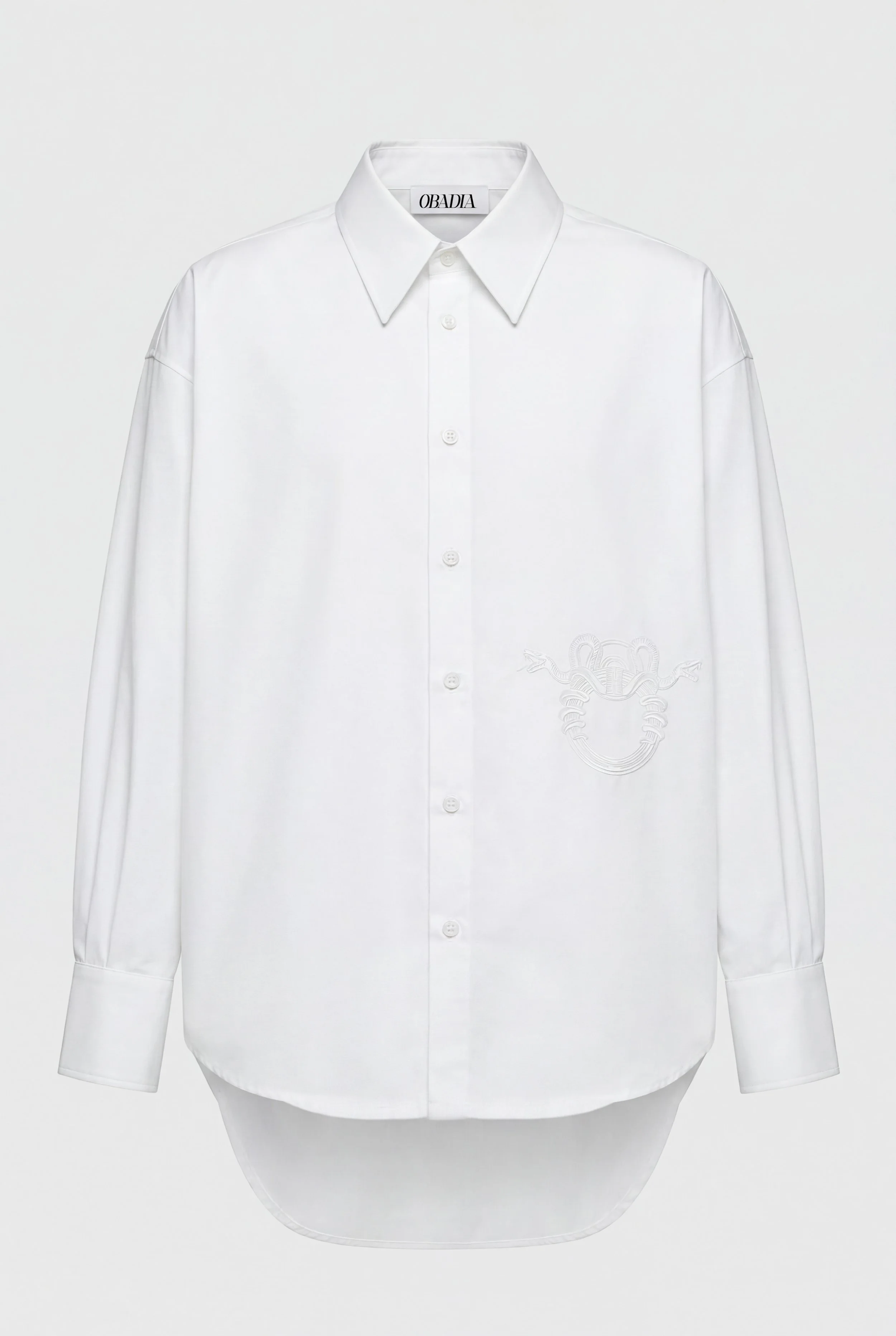
The Lestat Shirt is an oversized & unisex white cotton shirt inspired by the wardrobe of Lestat de Lioncourt.
Designed with voluminous sleeves for a dramatic yet effortless silhouette, it features the OBADIA signature snake logo embroidered on the front.
Color : White
100% Cotton
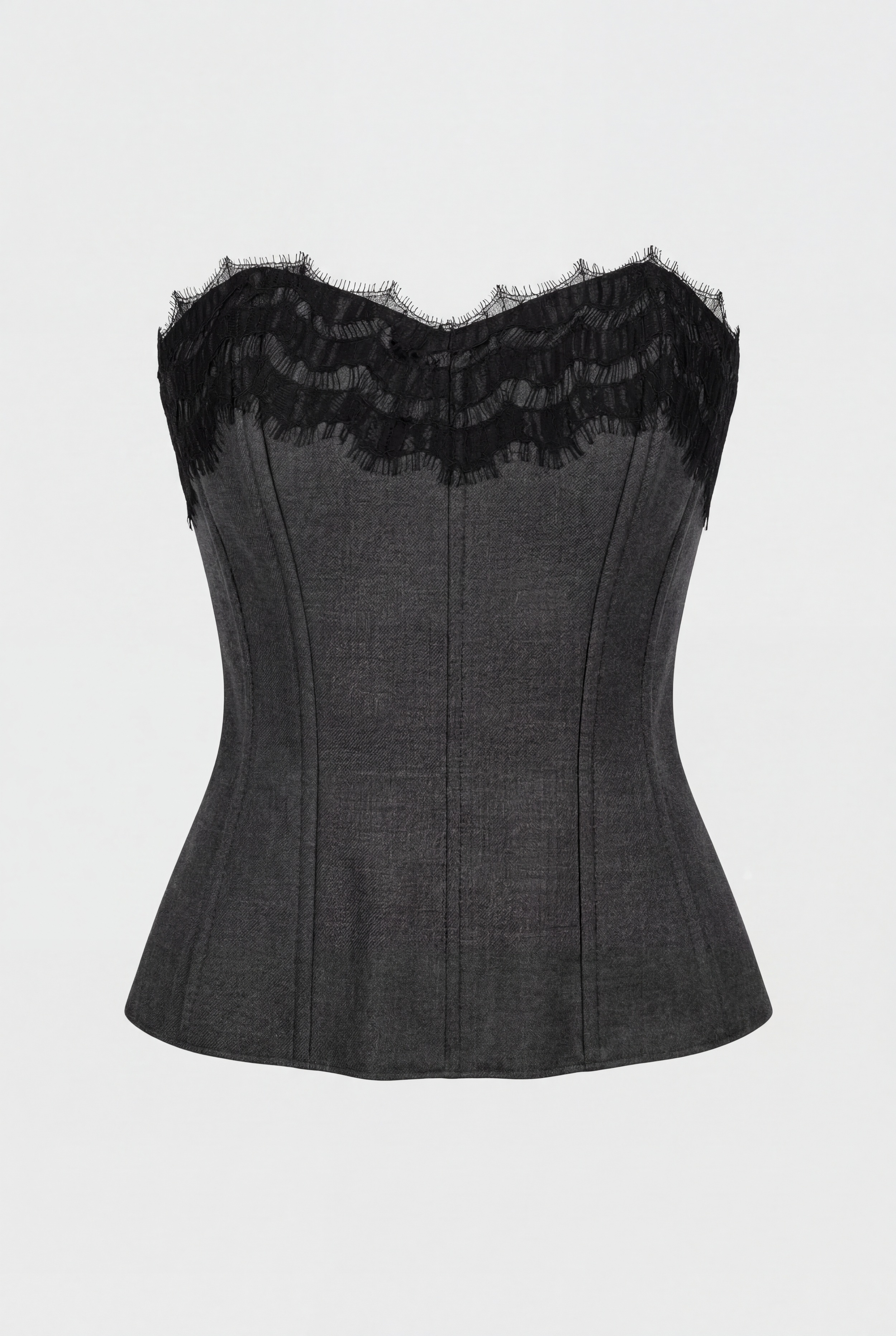
The Astrid Top is a structured grey wool bustier featuring internal boning for support and a sculpted silhouette. Delicate lace detailing contrasts with the structured virgin wool, while hook-and-eye closures allow for a precise fit.
For a full look, pair it with the Manhunt Jacket and Marilyn Skirt.
Color : Gray
Crafted from luxury deadstock fabric.