
Why Black Became the Colour of Elegance
No colour has carried more contradictions than black. It has symbolised wealth and mourning, authority and rebellion, restraint and seduction. Yet throughout history, it has never ceased to represent elegance.
Today, black feels almost inevitable : it hangs in every wardrobe, dominates fashion runways and remains the first choice for eveningwear, tailoring and formal dress. Its simplicity appears timeless, almost natural.
Yet black was not always ordinary.
For centuries, it was among the most difficult—and expensive—colours to produce, reserved for Europe’s wealthiest courts and most powerful rulers.
Its journey from royal privilege to universal elegance is one of fashion's most fascinating stories.
When Black Was the Most Expensive Colour
Contrary to popular belief, black did not become a symbol of luxury because it was simple.
It became luxurious because achieving a deep, rich black was extraordinarily difficult.
Before synthetic dyes, producing a true black required multiple dye baths using costly natural materials such as oak galls, logwood and iron salts. The process demanded exceptional craftsmanship, time and resources, making high-quality black fabrics significantly more expensive than many brighter colours.
A poorly dyed black quickly faded into brown or grey.
A perfect black announced wealth.
The Colour of Kings
During the sixteenth century, nowhere was black worn with greater sophistication than at the Spanish court.
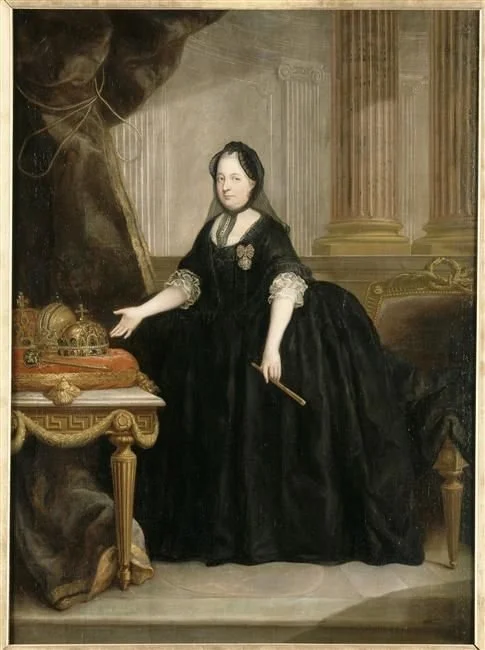
Under the Habsburgs—particularly Philip II—black became the colour of political authority, religious devotion and immense wealth.
Portraits by Diego Velázquez reveal monarchs dressed almost entirely in black silk and velvet. Far from appearing austere, these garments demonstrated extraordinary refinement. Rich textures, impeccable tailoring and subtle embroidery replaced excessive ornamentation.
Power no longer needed bright colours.

Philip II of Spain
Mourning, Modesty and Meaning
Black gradually acquired additional meanings.
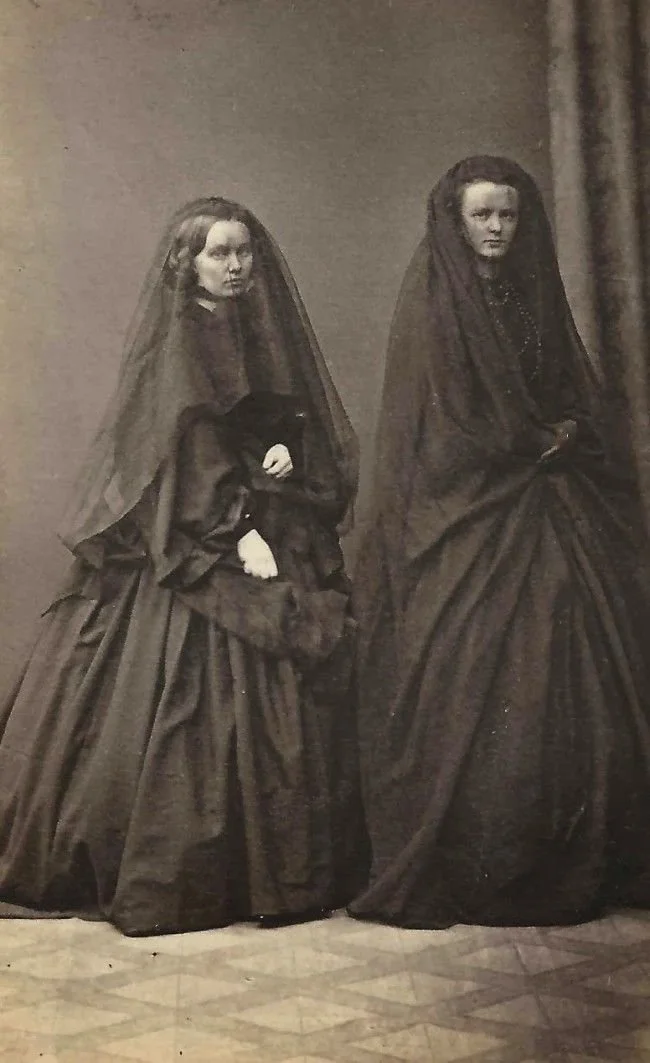
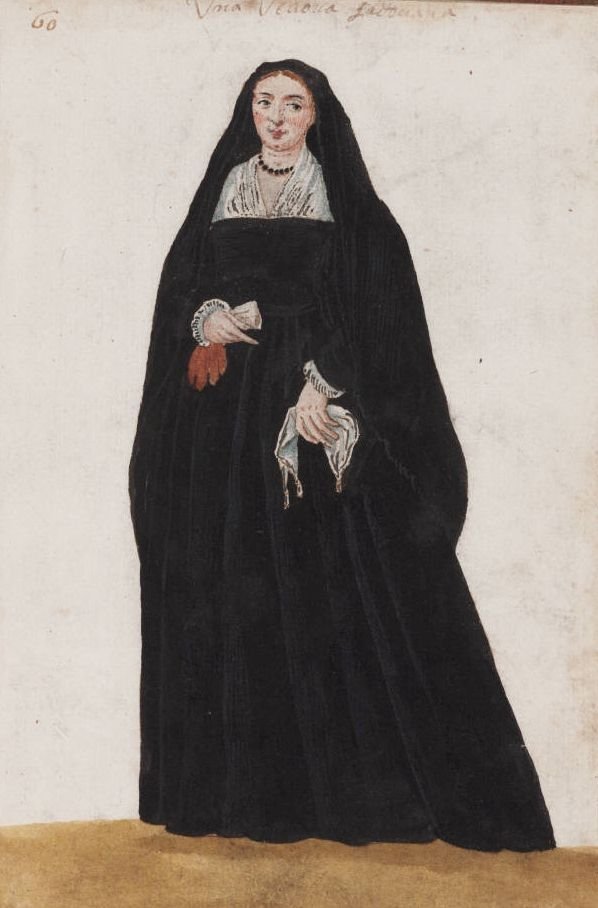
Across Europe, it became associated with mourning, dignity and spiritual contemplation.
Yet unlike many colours tied to a single emotion, black proved remarkably adaptable.
The same colour could communicate grief, authority, intellectual seriousness or effortless sophistication depending on its context. Few colours possess such emotional depth.
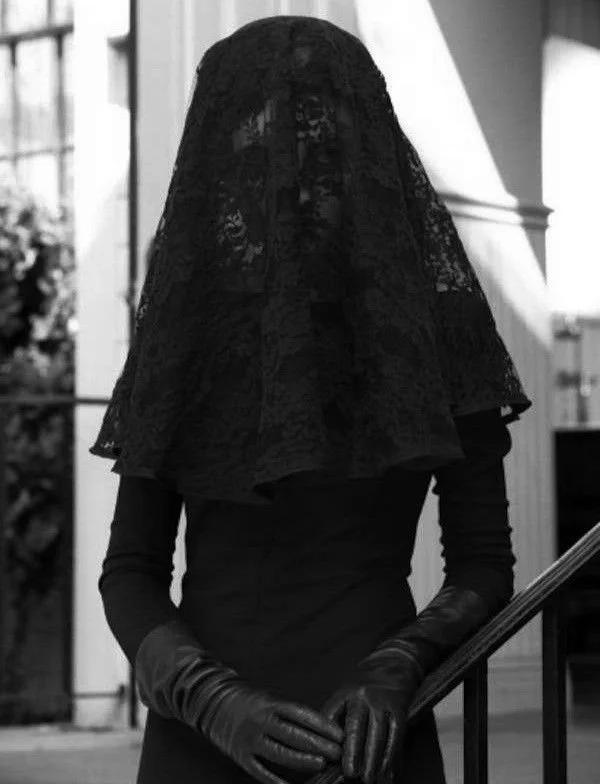
Coco Chanel and Modern Simplicity
The twentieth century transformed black once again.
When Coco Chanel introduced the Little Black Dress in 1926, she fundamentally changed the way women perceived elegance.
Black no longer belonged exclusively to royalty or mourning.
It became democratic. Versatile. Modern.
The Little Black Dress demonstrated that true sophistication required neither ornament nor extravagance.
Only perfect proportion.
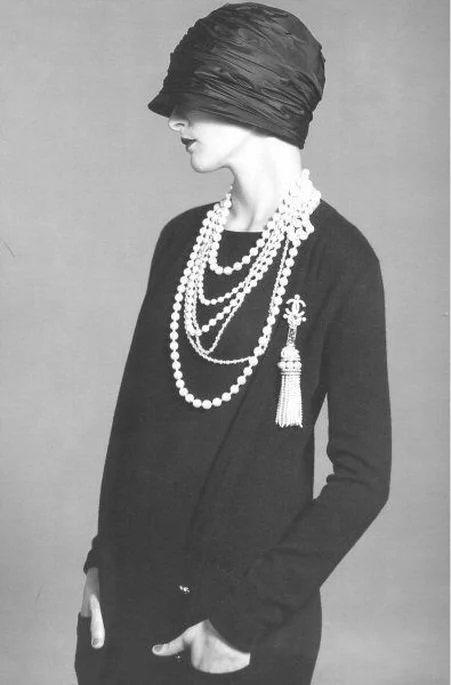
Chanel
Black on Screen
Cinema reinforced black’s enduring allure.
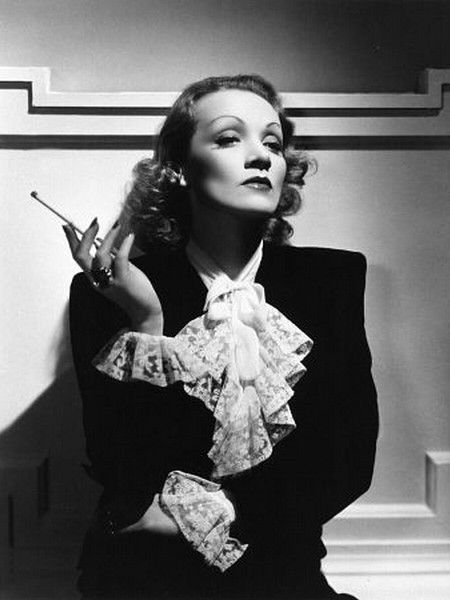
Film noir filled the screen with sharply tailored coats, satin evening gowns and dramatic contrasts of light and shadow, making black synonymous with mystery and sophistication.
Later, gothic cinema embraced the colour for different reasons.
In Francis Ford Coppola’s Bram Stoker’s Dracula (1992), black becomes a visual language of grief, immortality and desire. In Interview with the Vampire (1994), it reflects aristocratic refinement and timeless elegance rather than horror.
On screen, black rarely appears empty.
It always tells a story.
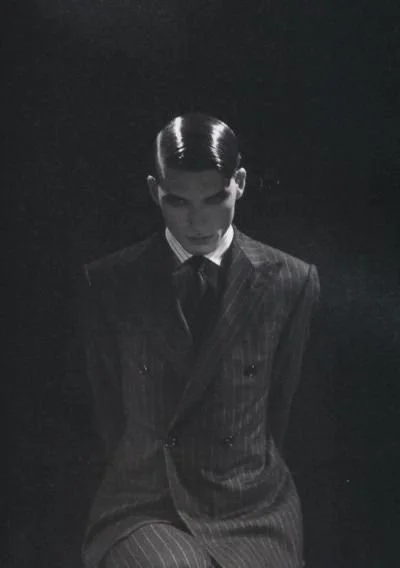
Designers Who Made Black Their Signature
Some designers built entire creative worlds around black:
Yohji Yamamoto describes it as both modest and arrogant.
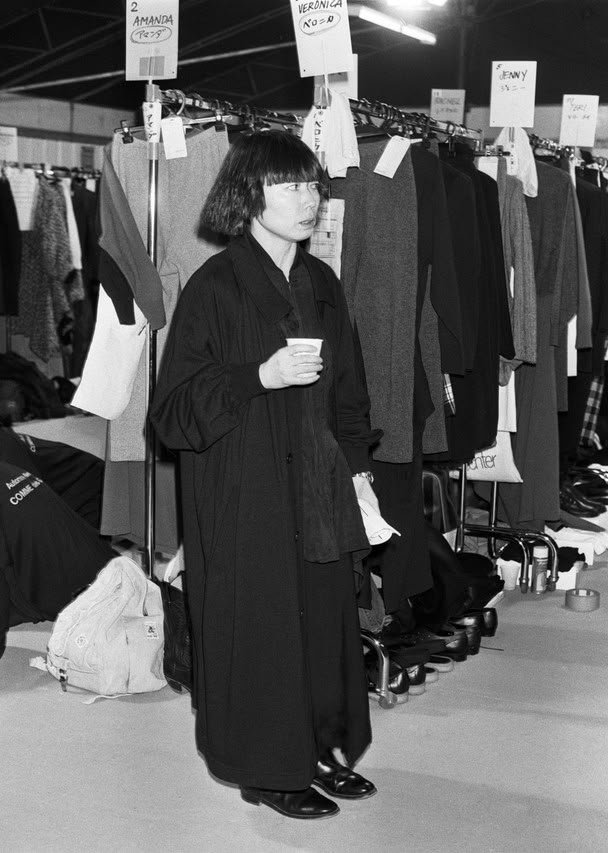
Rei Kawakubo transformed it into a language of deconstruction.
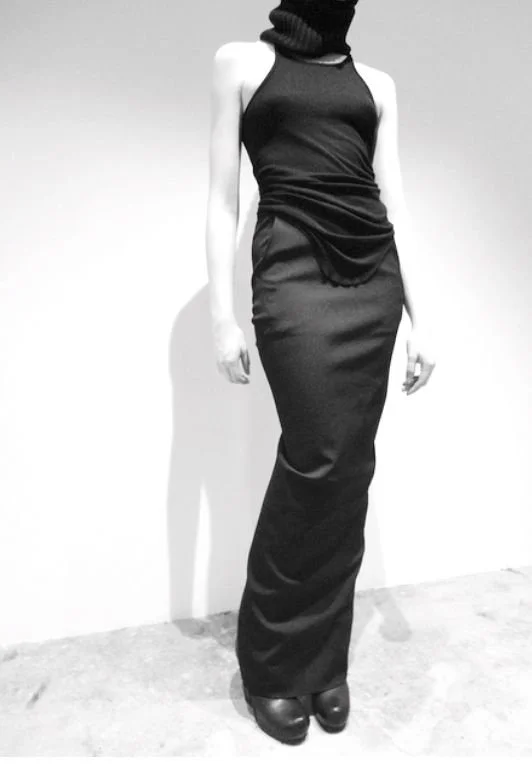
Rick Owens infused it with architectural severity.
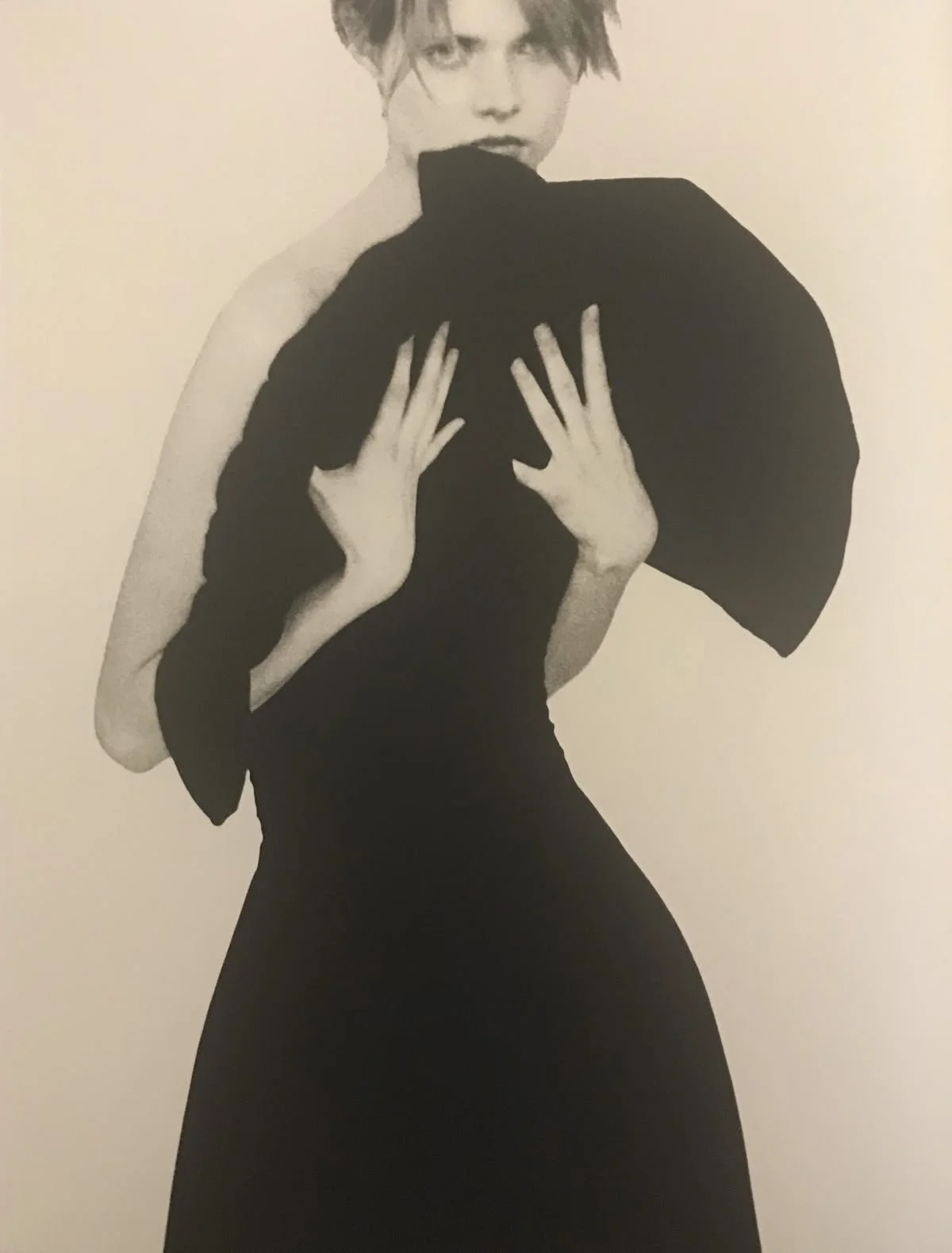
Cristóbal Balenciaga used it to emphasise volume and silhouette rather than decoration.
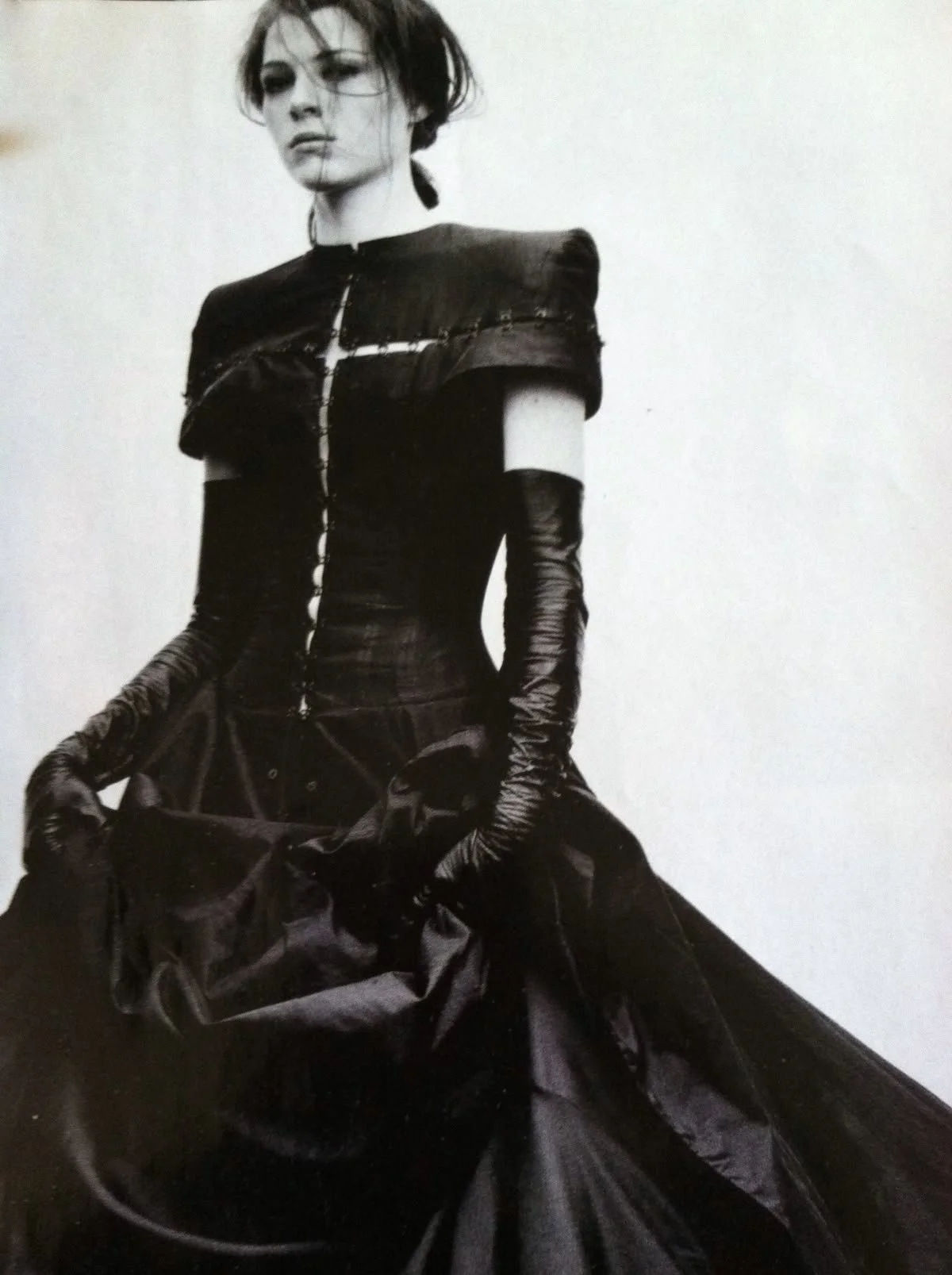
Each understood the same essential truth : black allows form to speak louder than colour.
Why Black Never Goes Out of Fashion
Unlike seasonal colours, black resists chronology.
It belongs equally to Renaissance portraits, nineteenth-century evening dress, twentieth-century couture and contemporary tailoring.
Perhaps this explains its enduring appeal.
It absorbs every era while remaining unmistakably itself.
OBADIA’s Perspective
At OBADIA, black is not chosen simply because it is timeless. It is chosen because it reveals construction.
Without colour competing for attention, the eye is drawn to silhouette, tailoring, texture and craftsmanship. Every seam, every drape and every proportion becomes more visible.
For us, black is not the absence of colour. It is the presence of intention.
Like the garments that inspire our collections, it refuses to shout.
Its elegance lies in quiet confidence, its symbolism reaches us today still.
-Marie <3
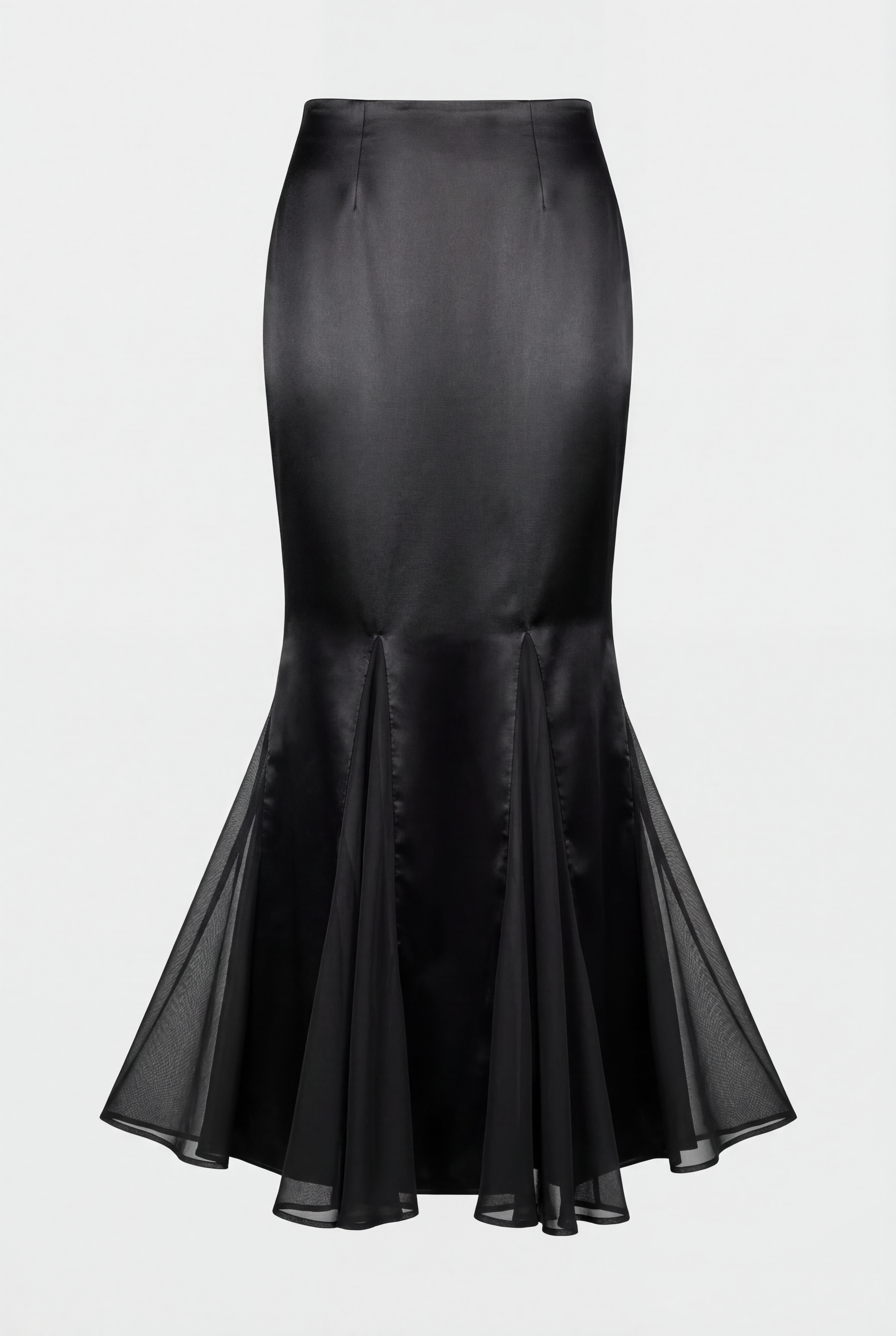
The Mina Skirt is a long black mermaid skirt with a sculptural, flared silhouette.
Its bi-material construction creates movement and volume, while a low-cut detail at the back reveals the lower back for an unexpected sensual finish.