
The Lavallière: From Aristocratic Courts to Contemporary Fashion
Few details in fashion possess the quiet elegance of the lavallière.
Flowing softly from the neckline, tied into an effortless bow, it has long been associated with refinement, intellect and individuality. Unlike a conventional necktie or scarf, the lavallière carries an unmistakable sense of romance—a garment that has travelled from royal courts to artists' studios, from nineteenth-century salons to contemporary runways without ever losing its distinctive character.
Its history is one of constant reinvention.
A Name Rooted in French History
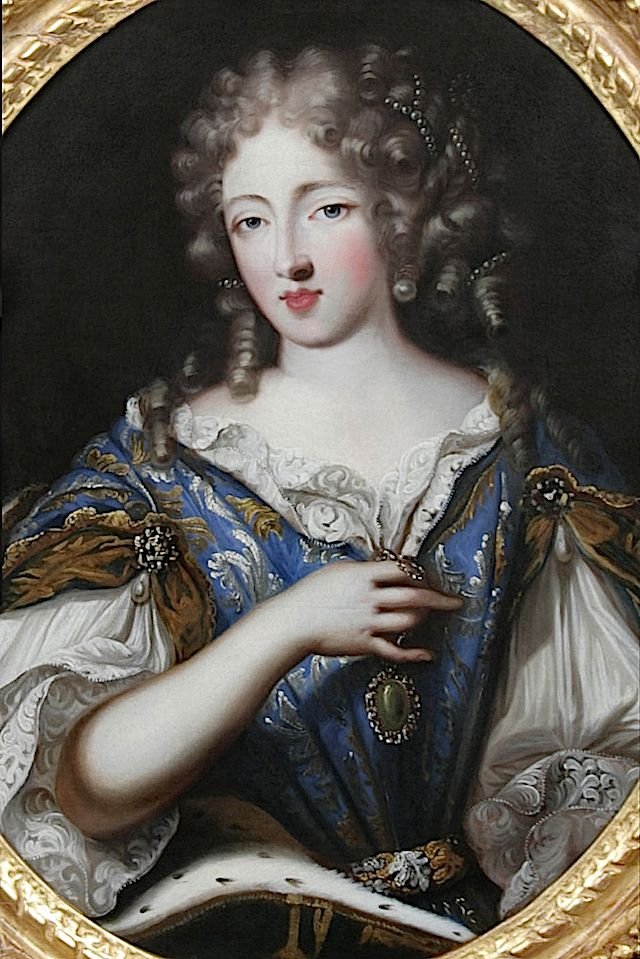
The term lavallière is traditionally associated with Louise de La Vallière, one of the most well-known figures at the court of Louis XIV.
Although historians continue to debate whether she actually introduced the style herself, her name became inseparable from the soft neck bow that later defined generations of elegant dress. Over time, the lavallière evolved into far more than an accessory. It became a symbol of refinement and effortless sophistication.
Like many enduring pieces of clothing, its mythology eventually became just as important as its origin.
From Menswear to Womenswear
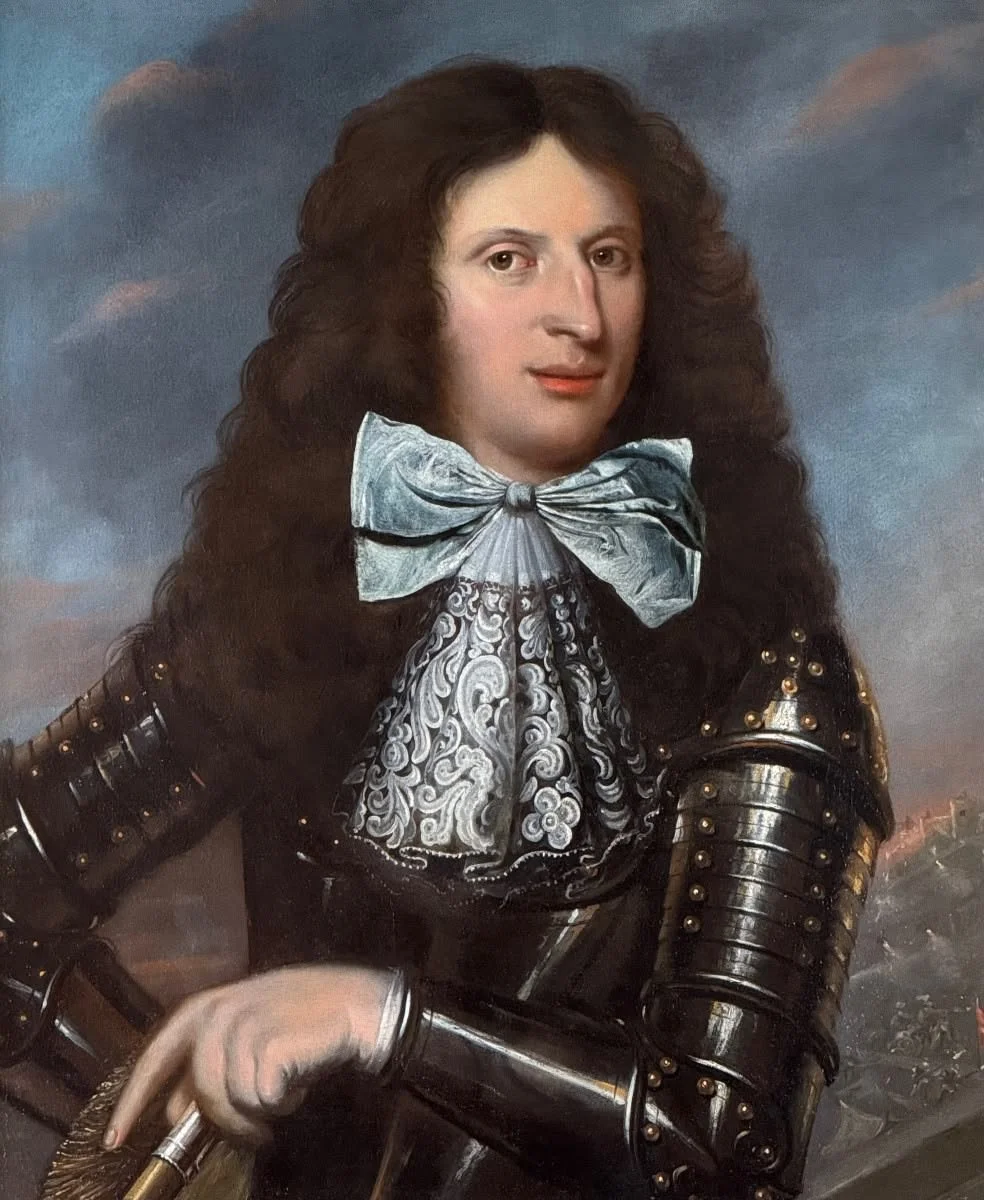
Before becoming an emblem of feminine elegance, neck bows belonged almost exclusively to men's dress.
During the seventeenth and eighteenth centuries, aristocratic gentlemen wore elaborate cravats crafted from fine linen and lace. These carefully tied neckpieces demonstrated status, education and taste.
As fashion evolved throughout the nineteenth century, women began adopting similar forms.
The lavallière emerged as a softer interpretation of the masculine cravat—less rigid, more fluid and undeniably romantic.
Its transformation reflected broader social changes, as women increasingly incorporated traditionally masculine tailoring into their wardrobes while redefining elegance on their own terms.
The Romantic Spirit
Unlike structured collars or formal neckties, the lavallière introduces movement.
Its long ribbons soften tailoring.
Its bow frames the face.
Its drape changes naturally with the wearer.
Perhaps this explains why painters, writers and musicians have embraced it for generations.
There is something inherently expressive about the silhouette - refined without appearing calculated, elegant without feeling overly formal.
Artists, Writers and Style Icons
Throughout history, the lavallière has been embraced by figures whose style reflected individuality rather than convention.
Oscar Wilde wore soft neck bows as naturally as he wrote prose.
Sarah Bernhardt transformed theatrical dress into personal identity.
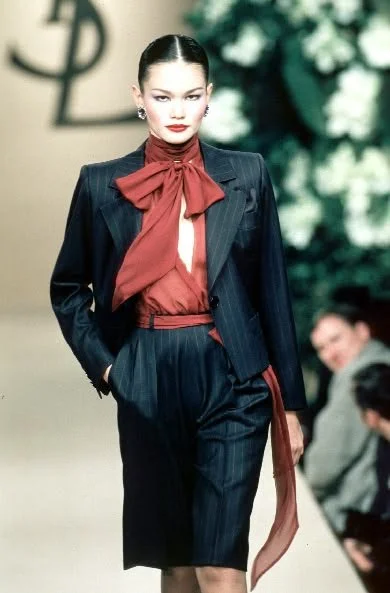
In the twentieth century, Yves Saint Laurent reintroduced the lavallière blouse as an emblem of modern femininity, borrowing elements from menswear while creating something unmistakably elegant.
More recently, designers continue to reinterpret the silhouette, proving that true classics never disappear.
OBADIA’s Perspective
At OBADIA, the lavallière represents more than a historical reference. It embodies a dialogue between masculine and feminine tailoring, structure and fluidity, tradition and modernity.
The Diane Blouse reinterprets this enduring detail through contemporary proportions and refined craftsmanship. Rather than reproducing historical dress, it preserves the spirit of the lavallière - its effortless elegance, quiet confidence and timeless versatility.
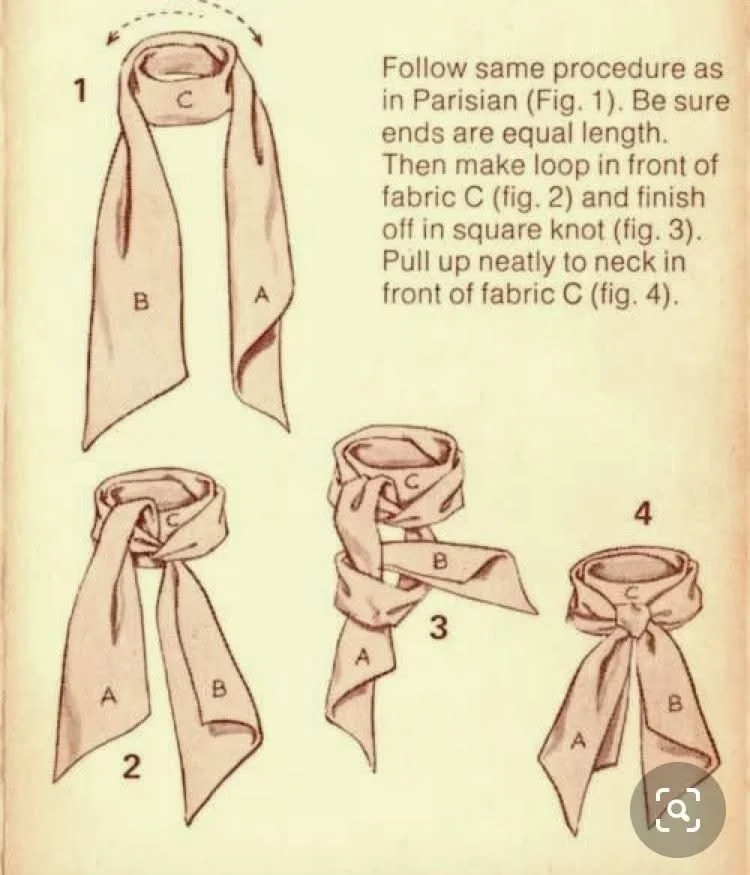
Next up: Learn how to tie & wear your Lavallière…
-Marie <3