
Why Vampires Have Always Been Fashion Icons
Long before vampires became a fixture of popular culture, they were already symbols of seduction, mystery and aristocratic elegance. Across literature, cinema and fashion, these immortal figures have consistently been dressed with remarkable refinement, wearing garments that appear untouched by time itself.
Unlike trends, vampires never seem to age.
Perhaps neither should great style.
Elegance Beyond Time
Fashion has always been obsessed with novelty.
Each season introduces new colours, silhouettes and collections, only for them to disappear months later. Yet the vampire exists outside this endless cycle.
Immortal by nature, the vampire has no reason to follow trends. Instead, their wardrobe evolves slowly, preserving garments that transcend the passing of time. Tailored coats, silk shirts, velvet jackets and impeccably cut trousers become extensions of an identity rather than seasonal purchases.
In many ways, the vampire embodies the ultimate luxury: permanence.
Born an Aristocrat
It is no coincidence that literature so often portrays vampires as members of the aristocracy.
John Polidori’s The Vampyre (1819) introduced Lord Ruthven, a charismatic nobleman whose elegance proved as dangerous as his supernatural nature. More than seventy years later, Bram Stoker’s Count Dracula would continue this tradition, inhabiting castles, collecting art and dressing with impeccable restraint.
The vampire's wealth is rarely displayed through extravagance.
Instead, it appears through confidence, impeccable tailoring and garments chosen to outlive generations.
True luxury whispers. It never needs to shout…
Clothing as Identity
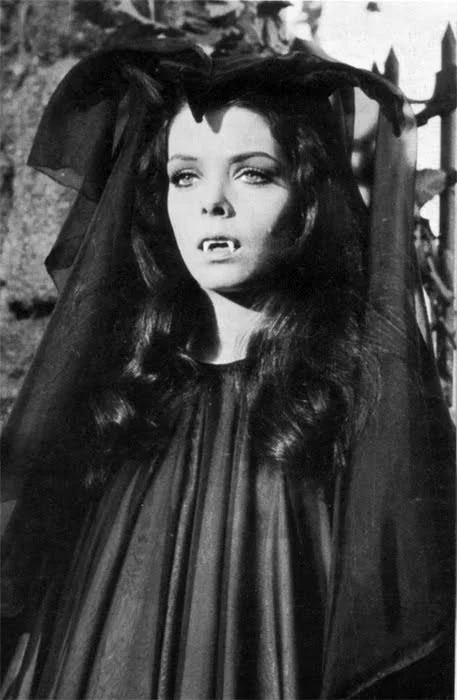
Unlike superheroes, whose costumes define their powers, vampires dress to reveal character.
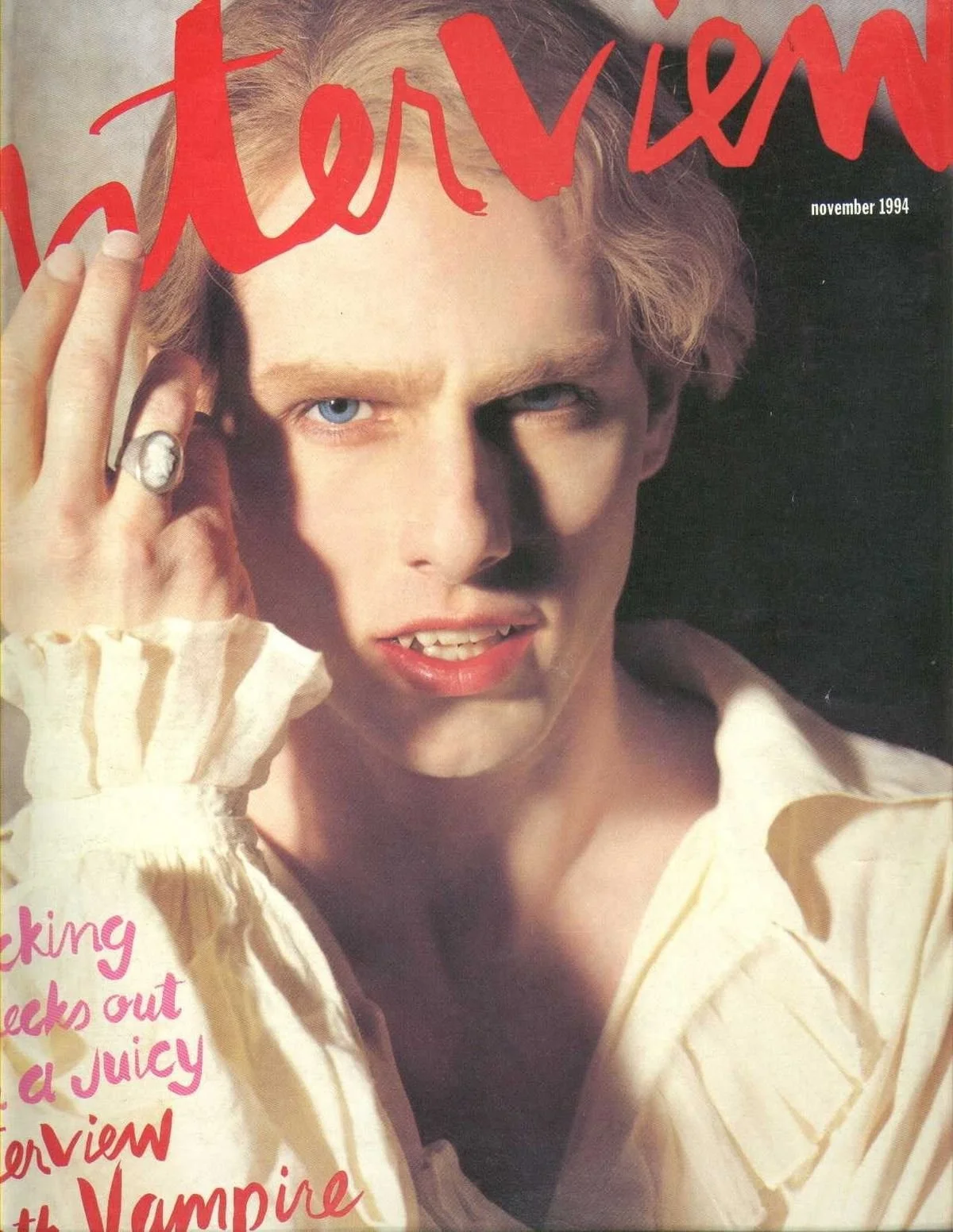
Lestat de Lioncourt favours theatrical opulence.
Louis de Pointe du Lac embraces melancholy restraint.
Count Dracula shifts between centuries while remaining unmistakably himself.
Their clothing reflects personality rather than disguise.
Every ruffled shirt, velvet frock coat or perfectly tied cravat becomes part of the narrative.
Costume, here, is psychology.
Cinema’s Best-Dressed Immortals
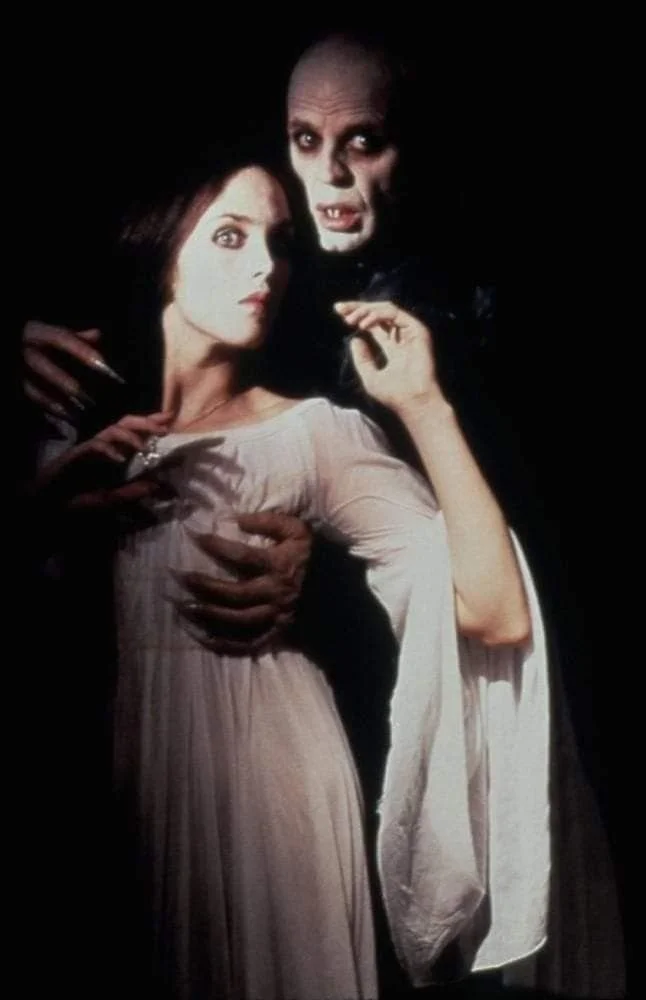
Cinema has only strengthened the vampire’s reputation as one of fiction's greatest style icons.
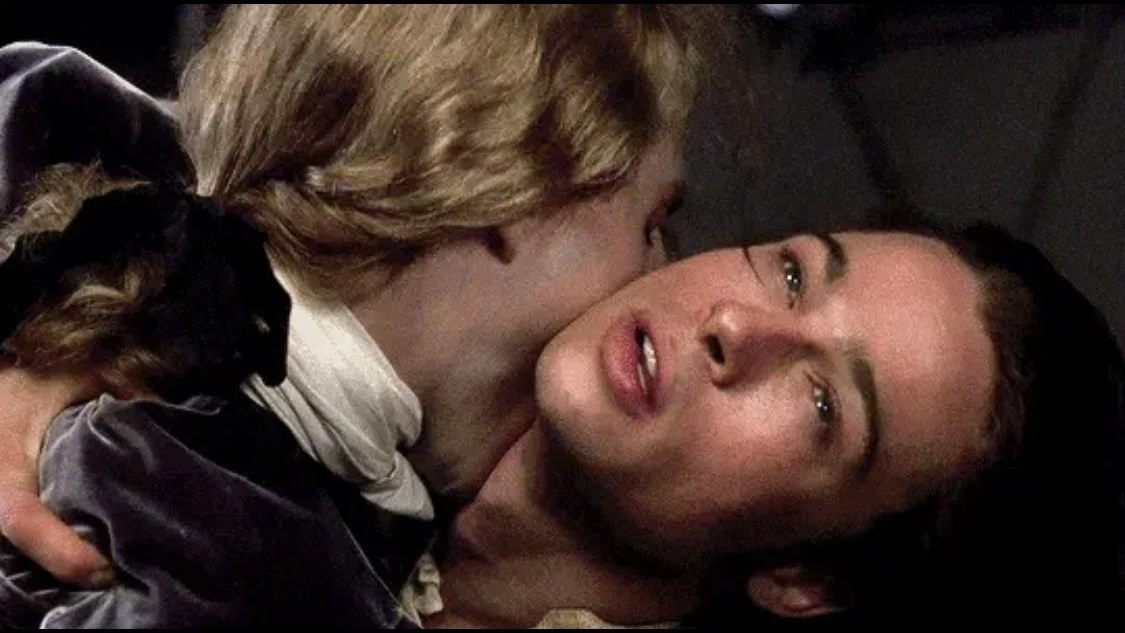
Neil Jordan’s Interview with the Vampire (1994) presented costumes of extraordinary richness, moving effortlessly from eighteenth-century aristocratic dress to nineteenth-century tailoring while preserving each character's distinct identity.
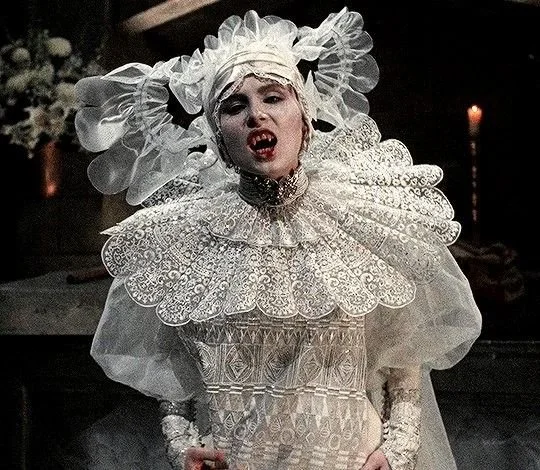
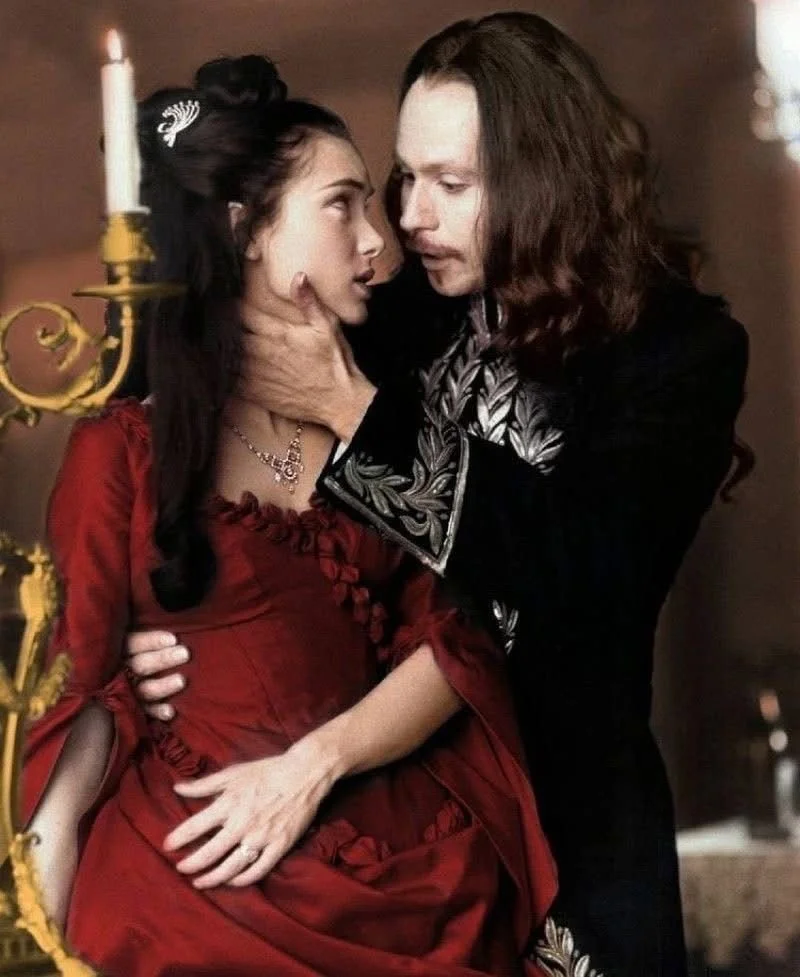
Francis Ford Coppola’s Bram Stoker’s Dracula (1992) transformed historical costume into visual poetry, where every silhouette expressed desire, grief and immortality.
Few costume designers have shaped the visual language of gothic cinema as profoundly as Eiko Ishioka in Francis Ford Coppola’s Bram Stoker’s Dracula (1992). Rather than pursuing strict historical accuracy, Ishioka created a world where costume became emotion itself. Drawing inspiration from Byzantine art, Japanese theatre, Art Nouveau and Renaissance portraiture, she designed garments that blurred the boundaries between fashion, sculpture and symbolism. Dracula’s iconic crimson armour, inspired by exposed musculature, embodies grief transformed into violence, while his sumptuous velvet robes and impeccably tailored evening wear reflect a character who has existed for centuries without ever becoming trapped in a single period. Every costume in the film tells a psychological story, proving that clothing can express identity, desire and immortality as powerfully as dialogue itself.
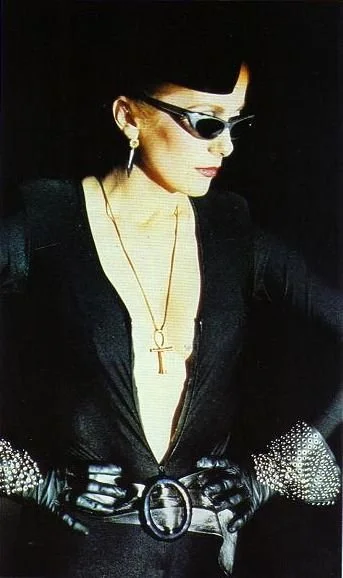
Tony Scott’s The Hunger (1983) proved that vampires could inhabit contemporary wardrobes with equal sophistication, replacing velvet capes with minimalist tailoring while retaining an unmistakable aura of timeless elegance.
Across centuries, the clothing changes.
The attitude never does.
The Vampire and the Dandy
There is another figure who shares much with the vampire: the dandy. Both reject conformity. Both elevate dress into an art form and understand that appearance is not vanity but language.
The vampire simply carries this philosophy beyond mortality.
To dress beautifully becomes an act of permanence.
An assertion that elegance deserves to survive history itself.
OBADIA’s Perspective
At OBADIA, the vampire has never represented horror. Instead, it embodies timelessness, sensuality and quiet sophistication. Historical tailoring, refined fabrics and carefully considered silhouettes draw inspiration from characters who exist beyond passing trends, reminding us that clothing can carry memory, atmosphere and symbolism while remaining entirely contemporary.
This fascination extends beyond aesthetics and into the very identity of our collections. Several garments are named after iconic figures and themes drawn from vampire literature and gothic fiction, paying tribute to the stories that continue to inspire our creative universe. These references are never intended as costume or nostalgia, but as subtle echoes of characters whose elegance has transcended generations.
Rather than recreating the wardrobe of a vampire, we seek to capture the timeless confidence they represent—the elegance of dressing for identity rather than approval, and of creating garments designed to outlast fleeting trends.
-Marie<3
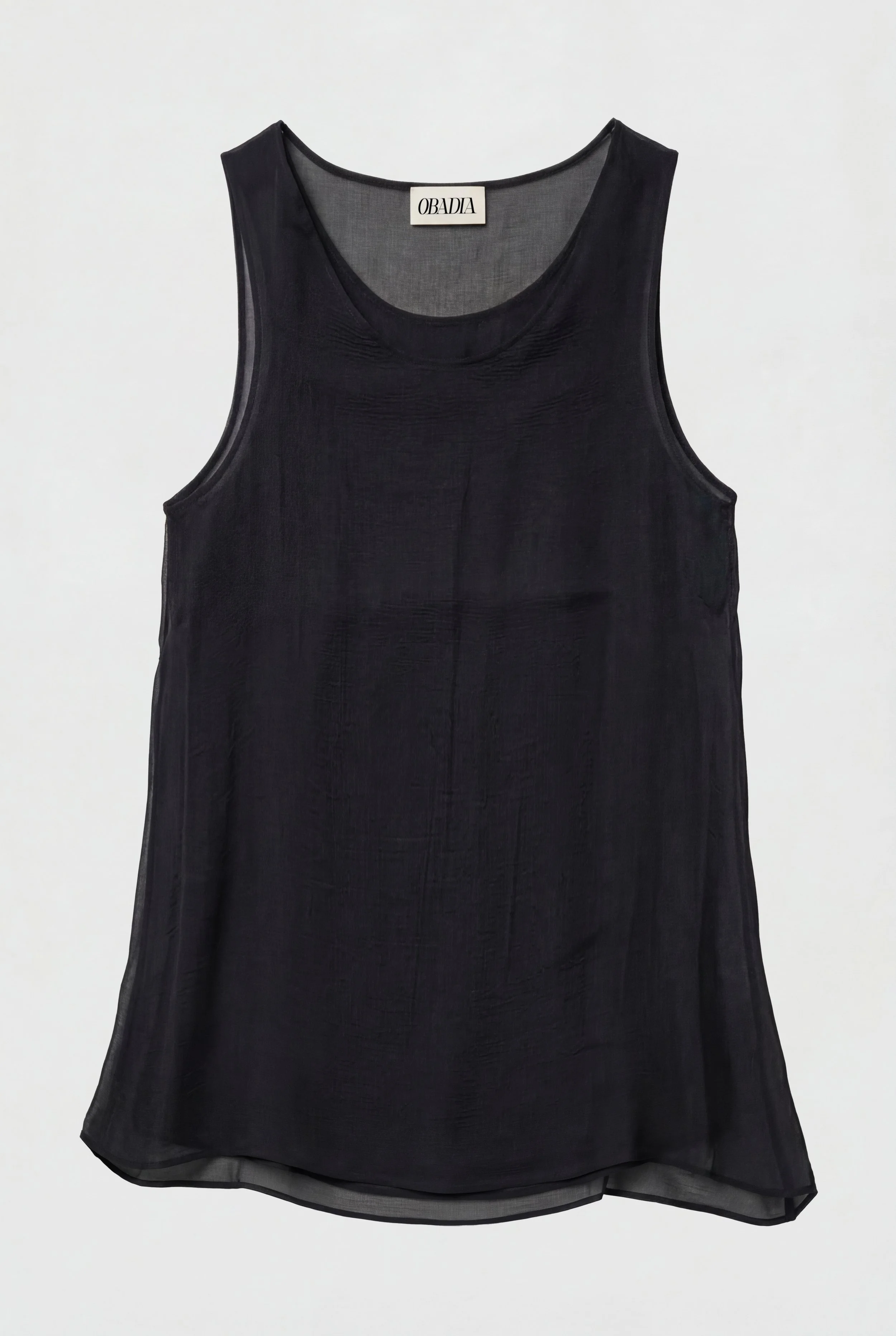
The Ruthven Top is a sheer silk chiffon top named after Lord Ruthven, the iconic vampire created by John Polidori.
Its fluid, lightweight silhouette plays with transparency and movement, and can be worn as a top or as a mini dress. With its relaxed cut, it’s sure to captivate more than a few…
Available in Black, Red and Prune.
Adrien and Noa are wearing a size S.
100% Silk from luxury deadstock fabric.

The Manhunt Jacket is a cropped, two-tone cotton jacket defined by its architectural construction and distinctive cut-out detailing.
Inspired by vintage racing jackets, its structured silhouette combines sharp lines with a bold, graphic contrast.
Available in Red/White and Black/White.
MADE TO ORDER : Please allow 3 weeks for production.
As we use hand-dyed deadstock fabrics, slight variations in color may occur from one piece to another.
Contact us to share your measurements for a perfect fit.